Ragdoll Cat: Complete Guide to Personality, Size, Care, Health, Lifespan, and Cost
By Demosthenes Staudinger | Updated August 23, 2026
Affiliate disclosure: This article contains affiliate links. As an Amazon Associate I earn from qualifying purchases. Modern Cat Society may receive a commission at no additional cost to you; affiliate relationships do not determine our editorial conclusions.
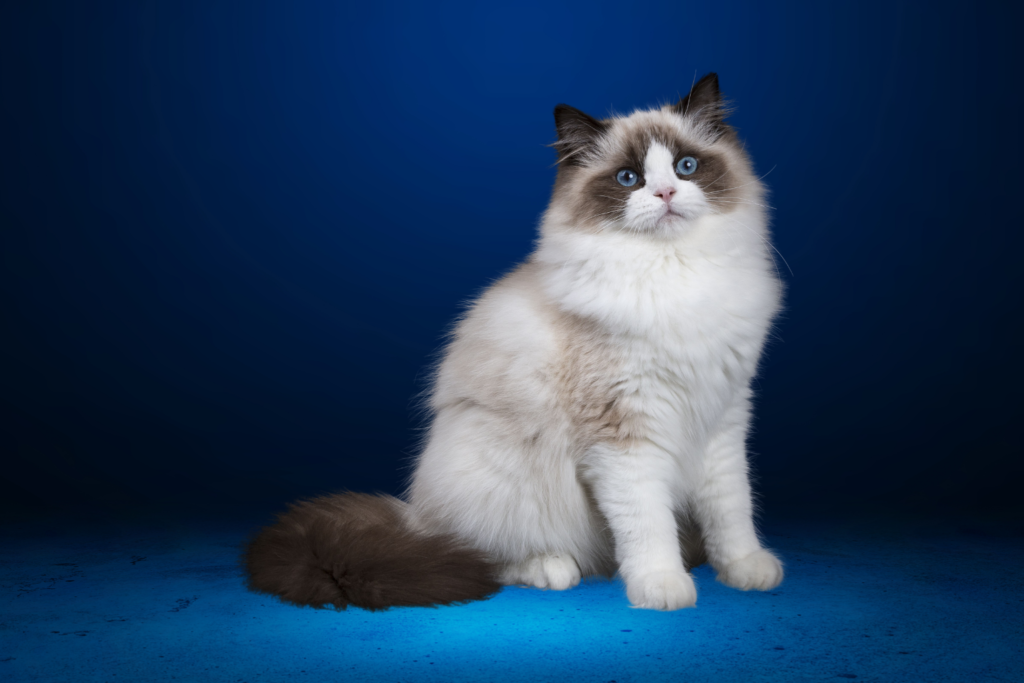
The Ragdoll cat pairs vivid blue eyes and a silky pointed coat with a reputation for calm, people-oriented companionship. Many Ragdolls follow family members through the home, settle nearby, and remain playful well beyond kittenhood. Their substantial size and relaxed social style can make them especially appealing to someone who wants an affectionate indoor companion.
That reputation also creates unrealistic expectations. A pedigree cannot guarantee that a cat will go limp when held, spend every evening on a lap, enjoy being carried, or accept children and other animals without a careful introduction. CFA specifically notes that the behavior behind the breed’s name is not typical of most modern Ragdolls [2].
The practical questions matter more than the mythology. This is a large, slow-maturing cat that needs appropriately sized equipment, regular coat care, measured food, daily activity, preventive veterinary care, and responsible screening for a breed-associated form of hypertrophic cardiomyopathy.
This guide evaluates the Ragdoll as a long-term commitment, including size, grooming, health, home setup, breeder due diligence, lifespan, costs, and alternatives. Its purpose is to show whether the breed’s real needs fit your household.
How we researched this guide: This is a research-based editorial breed guide, not a hands-on test, veterinary examination, or substitute for advice from your veterinarian. We reviewed current information from TICA and CFA, the TICA breed standard and pet-buyer guidance, UC Davis genetic-test documentation, Cornell feline cardiology guidance, WSAVA nutrition resources, FelineVMA environmental guidance, and official profiles for comparable breeds. Product mentions are contextual options; Modern Cat Society has not hands-on tested the products linked here.
Quick Verdict
Editorial verdict: The Ragdoll is a strong choice for someone seeking a gentle, socially available, moderately active cat and willing to manage a large body, semi-long coat, weight, and breed-specific health screening.
Best for: Calm or moderately active households that want feline companionship, can provide daily interaction and play, and will choose health and temperament over color, sex, or extreme size.
Skip it if: You want a highly independent cat, need guaranteed lap-cat behavior, dislike routine combing, have no room for large equipment, or cannot absorb the purchase, insurance, and veterinary costs associated with a pedigreed cat.
Ragdoll Cat at a Glance
Decision factor
What prospective owners should know
Origin
Developed by Ann Baker in Riverside, California, during the 1960s [1][2]
Adult size
TICA lists females at about 10–15 pounds and males at about 15–20 pounds; individuals vary [1]
Maturity
Slow; full size may take about four years, while color continues developing during early adulthood [1][2]
Coat
Silky, semi-long, and relatively low in woolly undercoat, but not maintenance-free [2][3]
Eyes and pattern
The traditional registered Ragdoll is blue-eyed and pointed; accepted colors and white-overlay patterns depend on registry rules [1][2][3]
Temperament
Commonly affectionate, calm, sociable, trainable, and close to people without always being a lap cat [1][2]
Activity
Moderate; kittens may be rambunctious and adults still need interactive play [1][2]
Grooming
Usually at least once or twice weekly, with more attention during shedding or when tangles appear [1][2]
Health planning
Ask for the actual Ragdoll HCM DNA results and discuss broader cardiac screening with a veterinarian [1][4][5]
Life expectancy
TICA says many live into their mid- or high teens, but genetics and care change individual outcomes [1]
Best fit
Owners who value a gentle, people-oriented companion and accept size, coat, cost, and health responsibilities
The Ragdoll is a relatively modern American breed. CFA and TICA trace its development to breeder Ann Baker in Riverside, California, during the 1960s. A white domestic longhair named Josephine was the foundation female, and Baker selected descendants and other domestic longhairs for a particular combination of appearance and temperament [1][2].
Stories about Josephine becoming unusually placid after an accident helped build the breed’s mythology, but they are not a biological explanation for temperament. Reported relaxation during handling inspired the name; CFA says that trait is not typical of most Ragdolls today [2].
Current standards describe a substantial, blue-eyed, pointed, semi-longhaired cat with moderate rather than extreme features. The body should feel muscular and solid, not merely heavy. CFA’s standard explicitly describes the body as firm and muscular rather than fat, while the TICA standard emphasizes a large cat of moderate type [2][3].
A large colorpoint domestic longhair is not automatically a Ragdoll. Verified pedigree documentation connects a cat to the breed. A shelter’s “Ragdoll mix” label may describe appearance rather than confirmed ancestry, so it cannot promise breed-specific size, temperament, or genetic status.
Ragdoll Size and Growth
Ragdolls are among the larger established cat breeds. TICA currently lists adult females at approximately 10–15 pounds and adult males at approximately 15–20 pounds. CFA avoids a strict range on its main page but notes that mature males may reach or exceed 20 pounds and females are usually smaller [1][2].
Those figures describe populations, not feeding goals. A healthy 13-pound female is not an undersized failure, and a 21-pound male is not automatically well conditioned. Frame, muscle, fat coverage, age, and veterinary assessment determine whether an individual weight is appropriate.
Slow maturity changes expectations
Both registries describe slow development. TICA says full size and weight may take about four years and full color about three; CFA says full size and weight may take four years, while its public page and standard use slightly different timelines for coat color [1][2]. The useful conclusion is not a precise birthday. It is that a one-year-old Ragdoll may continue to broaden, develop coat, and deepen in point color for several years.
Slow maturity does not justify unlimited feeding. WSAVA distinguishes body condition, which estimates fat stores, from muscle condition, which can change with disease or aging [7]. Track both with weight, diet history, and veterinary examination; a thick coat makes hands-on assessment more useful than photographs.
Plan equipment around measurements
Labels such as “jumbo” or “XL” are unreliable. Compare the cat’s measurements and weight with usable carrier, bed, litter-box, and platform dimensions—not merely a product’s exterior size.
Ragdoll Personality and Everyday Behavior
Official breed descriptions consistently emphasize affection, calmness, sociability, and moderate activity. CFA describes Ragdolls as loving without being demanding and says many greet their owners, remain close, and can learn behaviors such as fetch or coming when called. TICA similarly describes a relaxed, quiet cat that is generally willing to play [1][2].
“Dog-like” or “puppy cat” can describe following people and learning games, not guaranteed obedience, constant contact, or handling tolerance. A Ragdoll still needs choice, safe retreat, scratching, climbing, hunting-style play, and uninterrupted rest.
Affection is not the same as lap behavior
One Ragdoll may sleep across a person’s legs. Another may prefer the sofa cushion beside them. A third may follow throughout the day but leave when touched. All can be socially attached.
Choose by observed behavior rather than color or sex. Ask how the cat initiates contact, responds to lifting and novelty, plays, and behaves alone. Specific observations are more useful than “all our kittens are cuddly.”
Do Ragdolls really go limp?
Some relax noticeably during handling, but the “flop” is neither universal nor a welfare standard. Support the chest and hindquarters, watch body tension and tail movement, and put the cat down before discomfort becomes a struggle.
A tolerant cat can still be stressed. Freezing, looking away, flattened ears, tail lashing, skin twitching, attempts to leave, or defensive behavior all justify ending the interaction. Voluntary affection is safer and more meaningful than forced compliance.
Activity, voice, and training
Ragdolls are usually less intense than athletic breeds, not inactive. CFA calls them moderately active; TICA notes that kittens and young adults may be rambunctious and recommends balls, scratching and resting areas, cat trees, and interactive toys [1][2]. Daily wand play, food puzzles, retrieval games, and reward-based carrier training support exercise and confidence.
The breed is generally described as quiet, with occasional soft vocalization [1][2]. Individual cats vary. A sudden change in voice, activity, sleep, appetite, drinking, or litter-box use should not be dismissed as personality.
Ragdoll Coat, Colors, and Patterns
The Ragdoll coat is semi-long and normally feels soft and silky. CFA describes abundant guard hairs with minimal woolly undercoat; TICA’s standard allows some undercoat and seasonal variation [2][3]. This helps explain why many coats resist severe matting better than a dense, cottony coat, but it does not make them self-maintaining.
Ragdolls are pointed cats: cooler areas such as the face, ears, legs, and tail develop darker pigment than the torso. Kittens are born pale, and contrast builds as they mature. Environmental temperature, age, genetics, and registry terminology can influence how color is described.
TICA’s public profile lists seal, blue, chocolate, lilac, red, cream, cinnamon, and fawn, plus tortie and lynx variations. It summarizes three familiar patterns [1]:
Colorpoint: darker points with no white.
Mitted: white front mitts, white hind boots, a white chin, and a belly stripe.
Bicolor: more extensive white, commonly including an inverted white V on the face.
Show colors and patterns vary by registry. If registration matters, check that association’s current standard rather than a seller’s label. An unusual color claim does not prove quality, health, or ancestry.
Ragdoll Grooming and Routine Care
CFA recommends combing at least once or twice weekly. TICA advises weekly or more frequent grooming, working down through the coat rather than smoothing only the surface, and watching the armpits during seasonal shedding [1][2]. The right schedule is therefore coat-led: inspect regularly and increase frequency whenever the comb catches or loose undercoat accumulates.
A practical combing routine
Use a stainless-steel comb with appropriately spaced teeth and work in short sections. Pay particular attention to:
Behind the ears
Under the front legs
Chest and ruff
Belly and inner thighs
Hindquarters
Base of the tail
Start with brief, rewarded sessions. Stop before irritation escalates and never pull through tight knots.
Never cut close mats with household scissors. Feline skin is thin and can be pulled into the mat, making an accidental cut easy. A veterinarian or qualified cat groomer should address tight, widespread, painful, or skin-adherent matting.
Bathing, shedding, nails, and teeth
Routine bathing is not automatically required for a healthy cat that maintains its coat. Contamination, mobility limits, show preparation, or veterinary treatment can change that; use cat-safe products and gradual introductions.
Ragdolls shed, with variation by season, climate, coat, and health. “Reduced matting” is not “no shedding.”
Routine care should also include nail trimming, dental care, weight monitoring, litter-box observation, parasite prevention appropriate to lifestyle, vaccination planning, and regular veterinary examinations. See our guides to brushing a cat’s teethand cat vaccination schedules, then individualize the plan with your veterinarian.
Creating a Ragdoll-Friendly Home
A Ragdoll can live well in a compact home when the space is functional. FelineVMA guidance emphasizes safety, hiding and climbing options, and multiple separated resources for food, water, resting, toileting, scratching, and play [8]. Large-cat scale changes how those principles should be implemented.
Litter boxes and carriers
Choose a litter box that allows the cat to enter, turn, dig, and eliminate without pressing against the walls. A covered box can look spacious outside while offering little usable interior room. High sides may control scatter but can become difficult for a kitten, senior, or cat with pain.
Automatic boxes are optional. Check entrance height, usable space, sensors, cleaning access, litter restrictions, and emergency procedures. Keep a conventional box available during transition.
A carrier should let the cat stand, turn, and lie comfortably while remaining safe to lift and secure. Practice entry before travel; storing it open can make it less alarming.
Cat trees and scratching areas
Ragdolls can and do climb. Choose a tower with a wide base, large platforms, thick posts, secure hardware, and manufacturer-approved anchoring. Wide, stable routes often serve a substantial adult better than a narrow tower built mainly for height. Retighten hardware and inspect fabric, fasteners, and wall anchors over time.
Provide both vertical and horizontal scratching options, plus low resting places for later life. Our guide to minimalist cat furniturecan help integrate those resources without treating appearance as more important than stability.
Beds and resting spaces
A Ragdoll does not medically require memory foam simply because it is large. Prioritize usable surface area, stable construction, washable materials, comfortable access, and the cat’s preferred sleep style.
If you are comparing sizes, <a href=”https://amzn.to/3TNKkog” rel=”sponsored nofollow”>browse large cat beds on Amazon</a> (paid link). Verify the current dimensions, materials, cleaning instructions, price, seller, and return policy; a “large” product name does not guarantee a Ragdoll-sized sleeping area. See our cat bed guide for broader selection criteria.
Daily enrichment
Use predictable play that allows stalk, chase, pounce, and capture. Rotate toys and add puzzle feeding, observation spots, hiding places, and reward-based training. Calmness does not eliminate the need for exercise.
Food, Hydration, and Weight Management
Ragdolls do not need a “giant-breed” diet solely because of their pedigree. They need a nutritionally complete diet appropriate for life stage and health, fed in an amount that maintains appropriate body and muscle condition. WSAVA places nutritional assessment within routine veterinary care and provides separate tools for fat stores, muscle condition, diet history, and estimated calorie needs [7].
Feed the cat, not the maximum weight claim
Package directions are starting points. Calorie density, age, activity, neuter status, treats, health, and metabolism change the right portion. Combine weighing with rib, spine, waist, and muscle assessment.
TICA recommends interactive play and attention to the ribs and spine; CFA specifically warns that enthusiasm for food can contribute to obesity if portions are not monitored [1][2]. A normal lower abdominal pad is not permission to ignore increasing fat coverage.
Hydration tools are optional
Fresh water must always be accessible. Some cats prefer a fountain; others prefer a wide still bowl. Either format needs frequent washing, fresh water, and placement where another animal cannot block access.
The PETLIBRO Dockstream 2 is a 3-liter smart fountain with a stainless-steel drinking tray, app-based intake trends, a detachable tank, and replaceable filters according to the manufacturer’s current page [12]. If those features suit your routine.
Verify the exact model, current price, connectivity, filter cost, cleaning schedule, seller, and returns. This guide has not hands-on tested it.
Hydration tracking can reveal a change in routine; it cannot diagnose or prevent disease. Persistent changes in drinking or urination require veterinary attention. Compare more options in our cat water fountain guide.
Ragdoll Health and Responsible Screening
Breed predisposition describes risk, not destiny. A responsibly bred Ragdoll can still become ill, while a cat with a risk variant may remain clinically normal. The useful approach is documentation, realistic interpretation, preventive care, and prompt evaluation of changes.
Hypertrophic cardiomyopathy
Hypertrophic cardiomyopathy, or HCM, involves abnormal thickening of the heart muscle. Cornell describes it as the most common heart disease in cats and includes the Ragdoll among breeds in which genetics appears to play a role [5]. Some cats show no obvious illness; others develop rapid or labored breathing, open-mouth breathing, lethargy, congestive heart failure, blood clots, acute hind-limb pain or paralysis, or sudden death [5].
Open-mouth breathing, marked breathing difficulty, collapse, or sudden painful hind-limb weakness can be emergencies. Seek veterinary care immediately rather than trying to diagnose HCM at home.
What the Ragdoll DNA test can and cannot tell you
UC Davis tests for the Ragdoll-associated R820W variant in theMYBPC3gene. Its current interpretation distinguishes cats with no copy, one copy, or two copies. Cats with two copies are at high risk of severe HCM, often developing signs young, although exceptions occur. Cats with one copy may never show signs and may live a normal lifespan [4].
The limitation is essential: the test detects this specific R820W variant. A negative result does not prove that a cat can never develop HCM from another genetic or non-genetic cause. It is a breeding and risk-assessment tool, not a universal cardiac clearance [4][5].
Ask a breeder for the original laboratory reports for both parents, including the cats’ identifying information and test date. Then ask what broader cardiac screening the breeding program uses and how findings are handled over time. Cornell identifies echocardiography as the diagnostic standard for HCM; a veterinarian can advise whether and when an individual cat should be examined by a veterinary cardiologist [5].
Routine health care still matters
A DNA report does not replace examinations, dental care, vaccination, parasite prevention, weight management, or evaluation of new symptoms. Ask your veterinarian whether baseline testing or cardiology consultation fits the cat’s age and history.
Monitor appetite, weight, breathing, activity, mobility, drinking, and litter-box patterns. A quiet reputation can make subtle illness easy to rationalize; changes from normal deserve attention.
Avoid treating every generic online “Ragdoll disease list” as a screening protocol. Ask what evidence connects a condition to the breed, what test is being proposed, what a result means, and whether a veterinarian or recognized laboratory supports its use.
How to Choose a Responsible Ragdoll Breeder
Popularity creates excellent breeding programs and opportunistic sellers. Registration is useful pedigree documentation, but it does not independently guarantee health, socialization, living conditions, or ethical decisions.
TICA’s buyer guide recommends verifying breeder credibility, requesting health and genetic records for both parents, reviewing pedigree information, understanding the written contract, and resisting pressure to purchase quickly. It also warns against wire transfers, gift cards, missing veterinary records, and sellers who refuse meaningful questions [6].
Documents and practices to request
Original Ragdoll HCM DNA reports for both parents
Veterinary and vaccination records for the kitten
Registered names and pedigree documents that can be verified
A written sales contract, health terms, and return policy
The kitten’s current diet, routine, and socialization history
A clear explanation of when kittens leave and what care is completed first
Information about cardiac history in parents and previous generations
A plan for taking the cat back or helping with rehoming if circumstances change
See where cats are raised in person or by live video. Observe cleanliness, crowding, behavior, and comfort around people; a polished website is not evidence by itself.
Red flags
Walk away from guaranteed adult weights, guaranteed lap behavior, constant availability of every color, claims that one DNA result makes a line “100% healthy,” pressure to pay immediately, unverifiable paperwork, or a seller who treats shipping logistics as more important than household fit.
Do not let “rare” color marketing outrank health and temperament. Confirm whether the advertised cat meets the registry definition being sold. A responsible breeder should be comfortable explaining both strengths and uncertainty.
Rescue and retired adults are also legitimate paths. Their current size, coat, handling preference, and social behavior can be easier to evaluate than a kitten’s future traits.
Children, Other Pets, Apartments, and Time Alone
Children
CFA and TICA describe the breed as generally compatible with children [1][2]. That is a tendency, not permission for rough handling. Children should learn to let the cat leave, avoid disturbing sleep and litter-box use, support the body correctly, and never dress, restrain, or carry the cat merely because it tolerates the activity.
Provide protected resting areas, supervise young children, and reward calm interactions. Household success also depends on whether children have learned to be good with a cat.
Dogs and other cats
Many Ragdolls can live successfully with compatible cats and cat-safe dogs. Introduce animals gradually through separate rooms, scent exchange, barriers, and brief positive sessions. Provide multiple separated resources so one animal cannot guard food, water, litter, or access routes [8].
A conflict-avoidant cat may be bullied by a more assertive animal. Watch for blocking, staring, hiding, altered appetite, elimination changes, or reduced movement; failure to fight back is not friendship.
Apartments
CFA says Ragdolls adapt to different environments and do not need extensive living space [2]. An apartment can work when it includes a large litter area, stable vertical territory, scratching surfaces, resting choices, active play, and routes that do not force pets into conflict.
Equipment footprint is often the limit. Measure for the carrier, litter box, and tower; a well-arranged small home can outperform an empty large room.
Time alone
People-oriented does not mean every Ragdoll develops distress when left for a normal workday, but a cat chosen for social companionship should not be expected to live as decoration. Consider the individual’s history, age, confidence, and behavior rather than setting a universal hourly limit.
Build predictable routines, provide safe enrichment, and arrange reliable travel care. A second cat is not an automatic cure for loneliness; compatibility still matters.
Indoor Life and Safe Outdoor Access
Uncontrolled roaming brings traffic, conflict, toxin, weather, theft, and infectious risks. A calm reputation offers no protection.
Safer outdoor options include a secure catio, a genuinely cat-proofed balcony, or gradual harness training with direct supervision. Check doors, screens, window gaps, plants, cords, and furniture anchors inside the home as well.
A GPS tracker can be a backup recovery tool, not permission for unrestricted roaming. Compare its size, collar safety, coverage, battery, and subscription in our guide to GPS trackers for cats.
Ragdoll Lifespan and Long-Term Cost
TICA says many Ragdolls live into their mid- or high teens, while emphasizing that genetics and care affect lifespan [1]. That statement is more responsible than promising a precise range for an individual. Breeding decisions, body condition, preventive care, dental health, environment, accident risk, and early disease detection all influence outcome.
Budget categories that matter
Purchase price is only the first variable. Responsible ownership may include:
Adoption or breeder fee, travel, and initial veterinary care
Spay or neuter care when not completed before placement
A large carrier, litter boxes, scratching and climbing furniture
Food, litter, grooming tools, and replacement supplies
Routine examinations, vaccines, dental care, and parasite prevention
Insurance premiums or a dedicated emergency fund
Cardiology consultation or diagnostic imaging when indicated
Boarding, pet sitting, professional grooming, or behavioral help
Costs vary too much by location, age, insurance, and health for one honest national total. Compare recurring expenses, exclusions, deductibles, waiting periods, and emergency capacity. A low kitten price can become expensive when records and support are poor.
Ragdoll Alternatives Worth Comparing
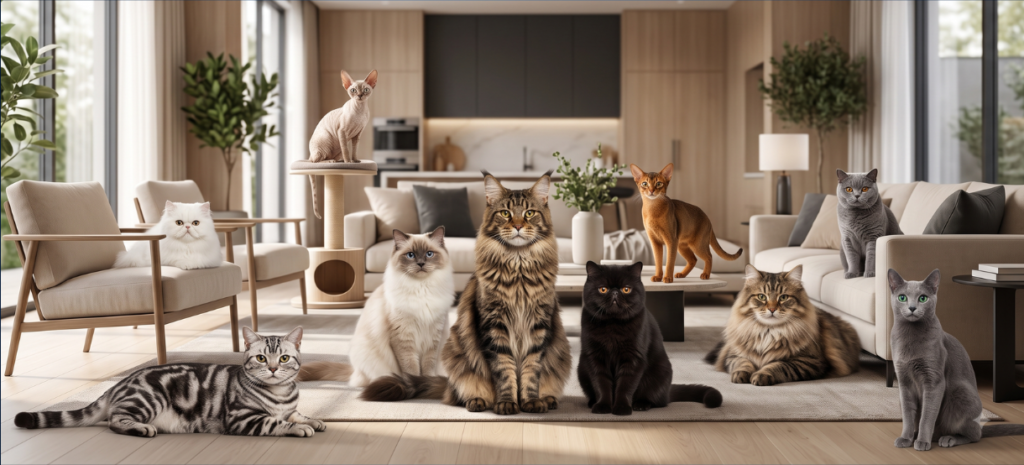
The closest alternative depends on what attracts you to the Ragdoll.
Alternative
Why compare it
Main distinction
Birman
Blue-eyed, pointed, affectionate, and moderately active [9]
Usually medium-to-large with distinctive white gloves and its own breeder-screening needs
RagaMuffin
Substantial, slow-maturing, docile, and people-loving [10]
CFA accepts a broader range of non-pointed show colors and eye colors
Maine Coon
Large, trainable, sociable, and family-oriented [11]
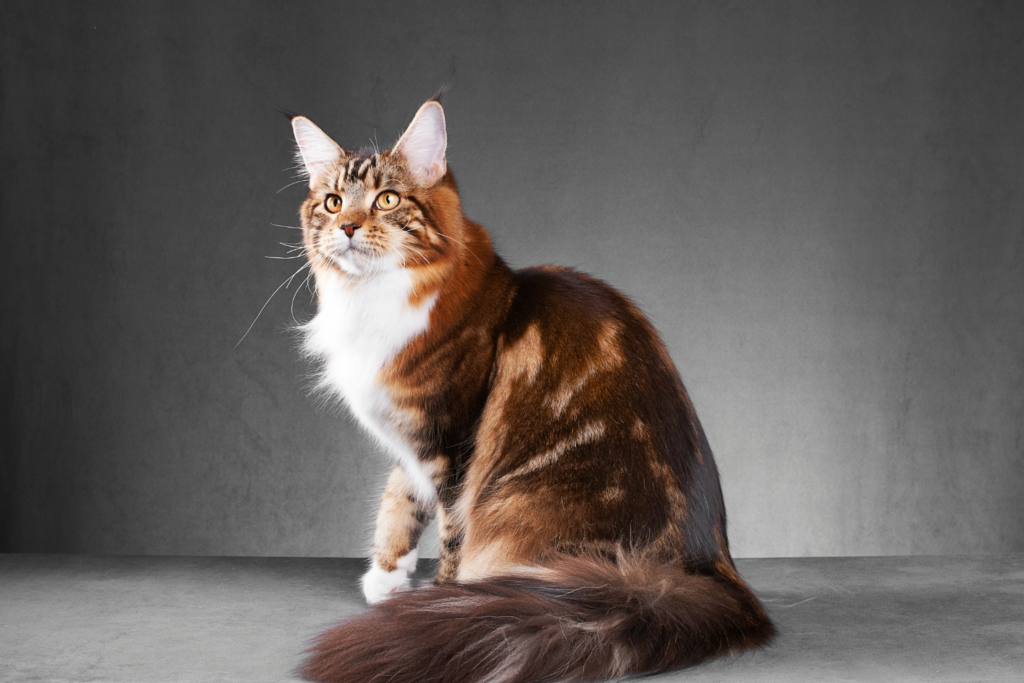
More rugged coat, generally more independent social style, and different health-screening priorities
Adult rescue cat
Temperament, size, and coat needs can often be observed directly
Pedigree may be unknown, but household fit can be assessed as an individual rather than predicted from breed
Choose by tradeoffs, not one photograph. Meet adults when possible and compare grooming, activity, social needs, health documentation, availability, and total cost.
Ragdoll Pros and Cons
Potential advantages
Important tradeoffs
Commonly affectionate and people-oriented
Affection level and lap behavior are not guaranteed
Generally moderate rather than extreme activity
Still needs daily play, climbing, and weight management
Silky coat may mat less than denser long coats
Requires regular combing and still sheds
Can adapt well to apartments and family homes
Large equipment occupies meaningful space
Often compatible with respectful children and pets
Gentle behavior can make poor introductions especially stressful
Breed-specific HCM DNA testing is available
A negative R820W result does not exclude every form of HCM
Striking blue-eyed pointed appearance
Popularity can attract scams and appearance-first breeding
Is a Ragdoll Right for You?
The Ragdoll is most compelling when you want companionship more than spectacle. You should be comfortable with a cat that may follow you without sitting on you, play without being hyperactive, and mature into a substantial adult that needs room to move and turn.
Choose a Ragdoll if you can provide regular coat care, measured nutrition, daily play, stable large-cat equipment, preventive veterinary care, and evidence-based breeder due diligence. Be willing to respect the individual cat even when its preferences contradict the stereotype.
Choose another cat if your decision depends on guaranteed floppiness, a precise adult weight, a particular level of cuddling, no shedding, or effortless care. A well-matched domestic adult may satisfy the emotional goal more reliably than a kitten purchased for an imagined personality.
Frequently Asked Questions
Do all Ragdoll cats go limp when picked up?
No. The behavior helped inspire the breed’s name, but CFA says it is not typical of most modern Ragdolls [2]. Some relax during handling and others do not. Always support the body and respect attempts to leave.
Are Ragdolls always lap cats?
No. Many are affectionate and remain close to people, but proximity can mean lying beside you, following you, or sleeping nearby rather than sitting on a lap. Individual history and preference matter more than a promise based on breed.
How big do Ragdoll cats get?
TICA lists females at approximately 10–15 pounds and males at approximately 15–20 pounds [1]. These are descriptive ranges, not targets, and CFA notes that some mature males may exceed 20 pounds [2]. Healthy body condition matters more than maximum size.
When is a Ragdoll fully grown?
Official breed sources say full size and weight may take about four years [1][2]. Coat and point color also continue developing during early adulthood. Slow maturation does not mean unrestricted feeding.
How often should you groom a Ragdoll?
At least once or twice weekly is a practical baseline, with more frequent attention during shedding or whenever tangles appear [1][2]. Comb through the coat to the skin gently and check high-friction areas such as the armpits and hindquarters.
Are Ragdolls hypoallergenic?
No cat breed can be assumed hypoallergenic. Coat length and visible shedding do not determine whether a particular allergic person will react. Anyone with allergies should discuss risk with a medical professional and spend meaningful time around the individual cat before committing.
Are Ragdolls good with children and dogs?
They often can be, and both CFA and TICA describe generally sociable, tolerant behavior [1][2]. Success still requires respectful children, a cat-safe dog, gradual introductions, supervision, escape routes, and separate resources.
Can a Ragdoll live in an apartment?
Yes. Moderate activity and adaptability can suit apartment life [2], provided the cat has a roomy litter box, stable vertical space, scratching areas, resting choices, and daily interactive play.
What health test should a Ragdoll breeder perform?
Ask for laboratory results for the Ragdoll-associated MYBPC3 R820W HCM variant in both parents [4]. Also ask about broader cardiac history and screening. A negative DNA result covers that variant only; it does not guarantee that a cat will never develop HCM.
How long do Ragdoll cats live?
TICA says many live into their mid- or high teens, but individual lifespan varies with genetics and care [1]. No breeder or article can guarantee a particular age.
Do Ragdolls need special food?
Not solely because of breed or size. They need a complete diet appropriate for life stage and health, with portions adjusted to body and muscle condition. Ask your veterinarian to individualize feeding rather than feeding toward the top of a breed weight range [7].
Final Verdict
The Ragdoll earns its popularity through a persuasive combination of beauty, moderate energy, and social warmth. For the right household, it can be an exceptionally compatible indoor companion.
The right household is one that wants the real cat rather than the myth. It accepts weekly combing, large equipment, daily play, weight management, health documentation, veterinary costs, and the possibility that an individual Ragdoll prefers the cushion beside you to your lap.
Choose health and temperament over extreme size or fashionable color. Verify HCM test results without overstating what they prove. Build a home around normal feline behavior, not the idea that a calm cat needs nothing. If those commitments fit your life, the Ragdoll is an excellent candidate—not because every one behaves like a stuffed toy, but because many become gentle, observant, deeply present members of the household.
Sources, Method, and Corrections
We prioritize official breed registries, veterinary schools and laboratories, professional veterinary organizations, and manufacturer documentation for named products. Citations support the claims immediately preceding them; they do not imply that a source endorses Modern Cat Society or any linked product.
The International Cat Association — Ragdoll. Current breed profile covering history, temperament, size, maturity, lifespan, colors, activity, grooming, and HCM screening. View source
The Cat Fanciers’ Association — Ragdoll. Official profile and standard covering history, personality, body, coat, grooming, slow maturity, weight, and breed myths. View source
The International Cat Association — Ragdoll Breed Standard. Technical standard updated May 1, 2025, covering type, balance, body, coat, eyes, and pointed status. View PDF
UC Davis Veterinary Genetics Laboratory — Hypertrophic Cardiomyopathy in Ragdolls. Interpretation and limitations of the Ragdoll-associated MYBPC3 R820W test. View source
Cornell University College of Veterinary Medicine — Hypertrophic Cardiomyopathy. Veterinary overview of signs, complications, diagnosis, treatment, and genetic context. View source
The International Cat Association — Pet Buyer’s Guide. Guidance on records, contracts, breeder verification, scams, and purchasing decisions. View source
World Small Animal Veterinary Association — Global Nutrition Guidelines. Body-condition, muscle-condition, diet-history, and calorie-assessment resources. View source
Feline Veterinary Medical Association — Setting Up the Environment for Success. Guidance on safe places and separated resources for food, water, toileting, scratching, rest, and play. View source
The Cat Fanciers’ Association — Birman. Official profile used for the alternatives comparison. View source
The Cat Fanciers’ Association — RagaMuffin. Official profile used for the alternatives comparison. View source
The Cat Fanciers’ Association — Maine Coon Cat. Official profile used for the alternatives comparison. View source
PETLIBRO — Dockstream 2 Smart Fountain. Current manufacturer specifications used only for the contextual product description. View source
Corrections policy: Product specifications, breed standards, health guidance, and registry rules can change. Material corrections should identify the affected statement, supporting source, and review date so the article can be updated transparently.
Sources and product information reviewed August 23, 2026. Always verify current breeder records, veterinary guidance, product specifications, prices, availability, and return terms before making a decision.
10 Most Popular Cat Breeds in the U.S. in 2026 By Demosthenes Staudinger | Updated August 23, 2026 Affiliate disclosure: […]
Manage Consent
To provide the best experiences, we use technologies like cookies to store and/or access device information. Consenting to these technologies will allow us to process data such as browsing behavior or unique IDs on this site. Not consenting or withdrawing consent, may adversely affect certain features and functions.
Functional
Always active
The technical storage or access is strictly necessary for the legitimate purpose of enabling the use of a specific service explicitly requested by the subscriber or user, or for the sole purpose of carrying out the transmission of a communication over an electronic communications network.
Preferences
The technical storage or access is necessary for the legitimate purpose of storing preferences that are not requested by the subscriber or user.
Statistics
The technical storage or access that is used exclusively for statistical purposes.The technical storage or access that is used exclusively for anonymous statistical purposes. Without a subpoena, voluntary compliance on the part of your Internet Service Provider, or additional records from a third party, information stored or retrieved for this purpose alone cannot usually be used to identify you.
Marketing
The technical storage or access is required to create user profiles to send advertising, or to track the user on a website or across several websites for similar marketing purposes.