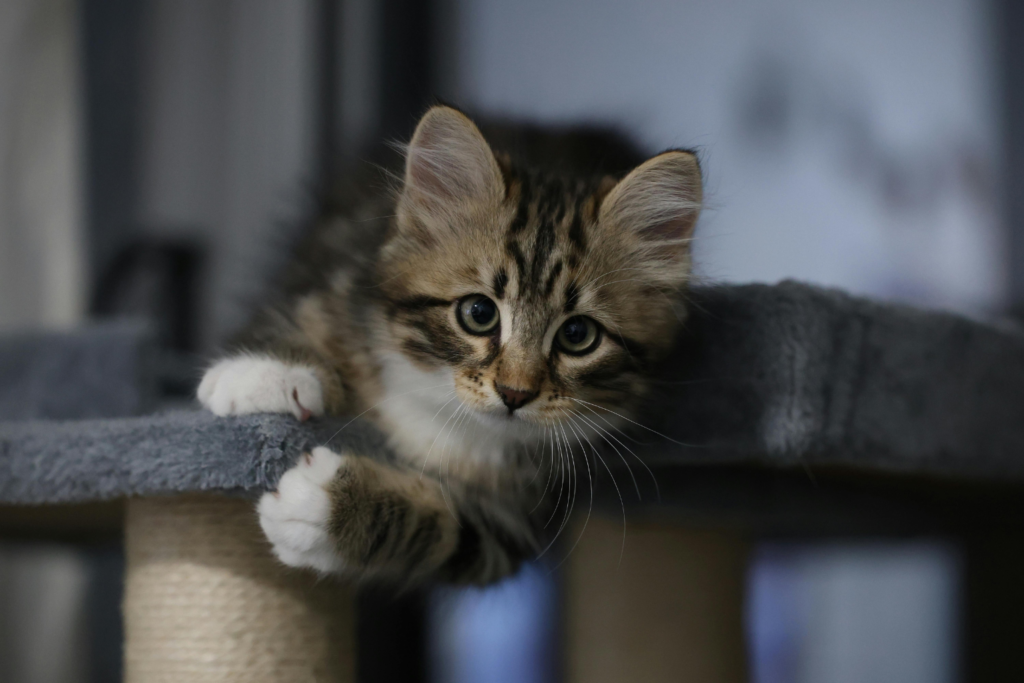
Why Does My Cat Bite Me? 8 Common Reasons and What to Do About It
Decoding Feline Behavior for a Harmonious and Bite-Free Home
Sharing your modern home with a feline companion is a deeply rewarding experience, but it can occasionally come with sharp surprises. You might be enjoying a quiet evening on the sofa, gently petting your cat, when suddenly—without warning—they bite your hand.
For many pet parents, this sudden shift from purring to biting is confusing and frustrating. However, in the feline world, biting is rarely an act of random malice; it is a complex form of communication. Cats rely on body language and physical cues to express their boundaries, instincts, and needs.
If you want to cultivate a peaceful, sophisticated environment for both you and your cat, understanding the root cause of the bite is the first step. Here are the 8 most common reasons why your cat bites you, and how to elegantly resolve the behavior.
1. Overstimulation (Petting-Induced Aggression)
This is the most common reason for a sudden bite. Cats have highly sensitive nerve endings along their backs and tails. What starts as an enjoyable petting session can quickly become overwhelming or even slightly painful for them. When they reach their limit, they bite to say, “That’s enough.”
- What to do: Watch for warning signs. If your cat’s tail starts twitching rapidly, their ears flatten, or their skin twitches, stop petting immediately and let them rest.
2. Play Aggression and Hunting Instincts
Cats are apex predators. If you use your hands or feet to wrestle with your cat, you are teaching them that your fingers are prey. In a modern indoor environment, pent-up hunting energy often redirects toward the closest moving object: you.
- What to do: Never use your hands as toys. Instead, redirect their predatory drive toward high-quality, automated toys. Investing in a premium smart interactive laser or a robotic prey toy allows your cat to burn off energy independently without sacrificing your hands.

3. Love Bites
Sometimes, a bite isn’t aggressive at all. “Love bites” are gentle, painless nibbles that cats use to show affection, often accompanied by licking or grooming. This behavior stems from kittenhood, where littermates playfully groom each other.
- What to do: If the bite doesn’t hurt, there is no need to worry. However, if it escalates, gently pull your hand away to signal that the play is getting too rough.
4. Fear or Anxiety
A frightened cat will use their teeth as a defense mechanism. Loud noises, unfamiliar guests, or sudden changes in your home’s environment can trigger a stress response. If a cat feels cornered and cannot escape, they will bite to protect themselves.
- What to do: Never force interactions with a scared cat. Ensure your home has plenty of vertical escape routes. A sturdy, aesthetic wooden cat tree provides a high-altitude sanctuary where your cat can observe the room safely out of reach.

5. Attention-Seeking Behavior
Cats are incredibly smart and quickly learn what gets your attention. If they nip your ankle while you are working at your desk and you immediately look down and speak to them, they have successfully trained you.
- What to do: Ignore the bite. Do not yell or react, as any attention (even negative) reinforces the behavior. Reward them with affection only when they are calm and polite.
6. Redirected Aggression
If your cat spots a stray animal through the window and becomes territorial but cannot reach the intruder, they may experience extreme frustration. If you try to touch them during this heightened state, they may lash out and redirect that aggression onto you.
- What to do: Do not intervene when your cat is fixated on something outside. Close the blinds or distract them by tossing a toy across the room to break their focus.
7. Teething (In Kittens)
Just like human babies, kittens lose their baby teeth and grow adult teeth between three and six months of age. This process causes sore gums, and chewing on your fingers helps relieve their discomfort.
- What to do: Provide premium, durable chew toys specifically designed for teething kittens. Silvervine sticks are also an excellent, natural alternative to keep their teeth busy.
8. Hidden Medical Issues or Pain
Cats are masters at hiding illness. If a normally docile, affectionate cat suddenly becomes aggressive and starts biting when touched in a specific area, they may be experiencing hidden pain, such as arthritis, dental disease, or an injury.
- What to do: Schedule a visit with your veterinarian to rule out any underlying health conditions.
Final Verdict: Observation is Key
Transforming biting behavior requires patience and a keen eye for your cat’s body language. By respecting their boundaries, providing adequate smart enrichment, and giving them proper vertical spaces, you can foster a deep, trusting bond and maintain a perfectly peaceful modern home.