The Complete Guide to Keeping Your Indoor Cat Healthy and Happy
By Demosthenes Staudinger | Updated August 23, 2026
Affiliate disclosure: This article contains affiliate links. As an Amazon Associate I earn from qualifying purchases. If you buy through one of these links, we may earn a commission at no additional cost to you. This does not affect our editorial recommendations.
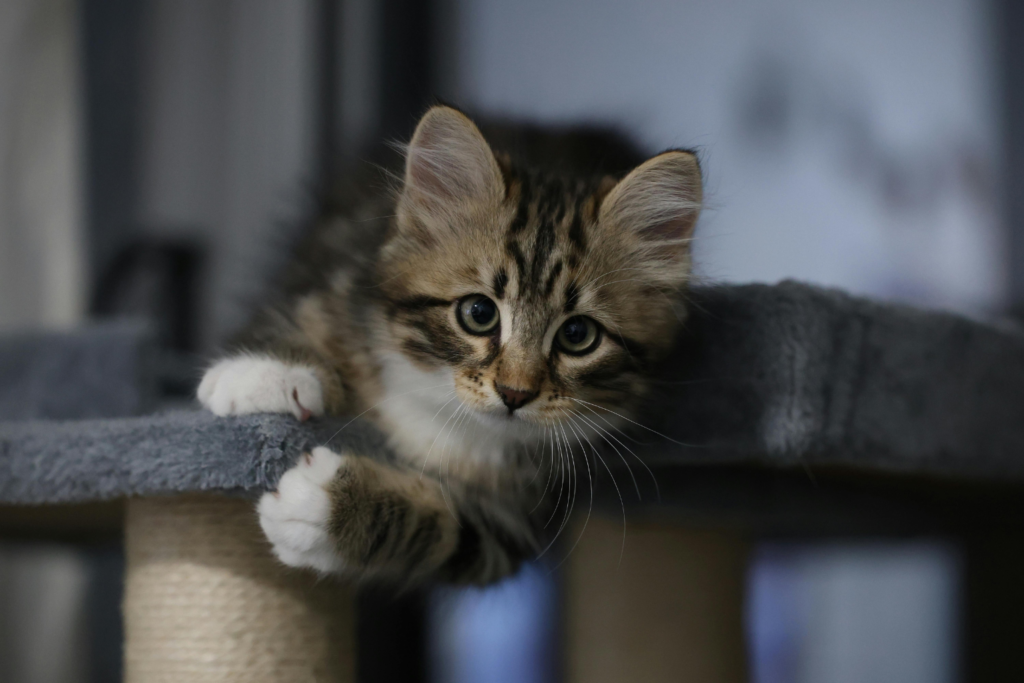
Keeping a cat indoors can reduce exposure to traffic, predators, fights, poisons, parasites, and infectious disease. But a closed door does not automatically create a healthy life. Indoor cats still have the body and behavioral needs of small, intelligent predators: they need to climb, hide, scratch, search, play, observe, choose when to interact, and feel secure in their territory.
When those needs are overlooked, a cat may become less active, gain excess weight, scratch unwanted surfaces, eliminate outside the litter box, overgroom, disturb the household at night, or develop tension with other pets. These signs should never be dismissed as spite. They may reflect illness, pain, fear, resource competition, or an environment that is not working for the individual cat.
The solution is not to fill every room with gadgets. Smart feeders, fountains, cameras, and self-cleaning litter boxes can be convenient, but none replaces thoughtful placement of basic resources, daily human attention, preventive veterinary care, or knowledge of what is normal for your cat.
A cat-friendly home can also remain elegant. The best indoor cat environment is not a chaotic pet store; it is a series of well-designed zones that support natural behavior while fitting the household’s architecture, routines, and aesthetic.
This guide explains how to keep an indoor cat healthy and happy with evidence-based priorities rather than product hype.
How This Guide Was Researched
Editorial method: This guide is based on current position statements and care resources from the Feline Veterinary Medical Association, iCatCare, the American Animal Hospital Association, Cornell University College of Veterinary Medicine, peer-reviewed feline research, and poison-control guidance. We distinguish established feline needs from optional technology and avoid treating one product as a medical solution. Sources were reviewed on August 23, 2026.
Indoor Cat Care: The Quick Action Plan
| Care area | Healthy baseline |
|---|---|
| Food | Complete and balanced diet, measured portions, body-condition monitoring, and a feeding pattern suited to the individual |
| Water | Fresh water in accessible locations and containers the cat willingly uses; fountains are optional |
| Litter | Large, clean, easy-to-enter boxes in quiet locations; generally one box per cat plus one extra |
| Territory | A safe retreat, vertical choices, scratching surfaces, and separate key resources |
| Play | Daily interactive hunting-style play plus safe independent activities |
| Social needs | Predictable, positive contact without forcing handling or proximity |
| Rest | Quiet sleeping options where people and other pets do not disturb the cat |
| Safety | Secure windows and balconies, toxin control, identification, and an emergency plan |
| Preventive care | Life-stage veterinary exams, individualized vaccines and parasite control, dental care, and weight tracking |
| Monitoring | Know the cat’s normal appetite, drinking, litter output, breathing, mobility, grooming, and behavior |

An automatic feeder can help deliver measured meals on a schedule, but it is not essential. It does not decide how many calories your cat needs, confirm that the correct cat ate in a multi-pet home, or notice illness. Use it as a convenience within a veterinarian-informed feeding plan.
1. Indoor Safety Is Only the Starting Point
The Feline Veterinary Medical Association’s 2025 position statement recognizes that indoor living reduces exposure to many physical dangers while emphasizing that safety alone is insufficient. Indoor cats need a species-appropriate environment that supports physical and emotional wellbeing [1].
Its framework centers on five pillars:
- A safe place.
- Multiple, separated key resources.
- Opportunities for play and predatory behavior.
- Positive, consistent, predictable human interaction.
- An environment that respects the cat’s sense of smell and other senses.
These pillars are more important than whether the home uses traditional bowls or connected devices. A cat can thrive with simple equipment when resources are well chosen and consistently maintained. Conversely, an expensive “smart home” can fail if the cat has nowhere to hide, another pet blocks the litter box, or nobody provides interactive play.
Begin by observing rather than buying. Where does your cat sleep? Which doorway feels unsafe? Can one animal control the route to food, water, or litter? Does the cat have a perch that offers a view without leaving it exposed? Which texture does it choose for scratching? Good indoor cat care is built around these answers.
2. Feed for Health and Natural Behavior
Choose the right food before the right device
Cats need a nutritionally complete and balanced diet appropriate for life stage and health status. The label, calorie density, portion size, treats, activity, reproductive status, and medical conditions all matter. “Indoor cat” on the package does not automatically make a food ideal for your individual cat.
Cornell identifies obesity as the most common nutrition-related problem in cats and recommends monitoring body condition rather than relying on scale weight alone [5]. The 2021 AAHA/AAFP Feline Life Stage Guidelines likewise recommend recording body weight, body-condition score, and muscle-condition score over time so gradual change is noticed [6].
Ask your veterinarian to show you how to assess your cat. At an ideal condition, the ribs should be palpable beneath a light fat covering, a waist should be visible from above, and the abdomen should not progressively widen. Thick fur and a naturally large frame can conceal excess fat, while weight loss can be hidden until muscle loss is advanced.
Use portions, not guesswork
Measure food by weight or with an accurate portion tool. Count treats, toppers, puzzle food, and food used for medication in the daily total. Package instructions are a starting estimate; the correct amount is the intake that supports appropriate body and muscle condition for that cat.
Free-choice feeding is not automatically wrong, but it makes intake harder to monitor and can encourage overconsumption in some cats. It may also conceal appetite loss when several cats share one bowl. Measured meals make changes easier to detect.
Feed the mind as well as the body
Cats naturally eat multiple small meals and perform searching or hunting behaviors around food. The FelineVMA feeding consensus recommends customized programs that may include frequent small meals, puzzle feeders, forage feeding, separated feeding stations, or automatic feeders [4].
Start puzzles easy. Use part of the normal ration, show the cat how food can be obtained, and increase difficulty after success. A puzzle that causes frantic biting, repeated failure, or avoidance is too difficult. Seniors, kittens, flat-faced cats, and cats with mobility, dental, cognitive, or medical limitations may need adapted equipment.
In multi-cat homes, do not assume everyone is sharing peacefully. Feed cats apart when necessary and confirm that each receives its intended food. A confident cat can consume another cat’s portion without an obvious fight.
3. Make Hydration Easy—Without Fountain Myths
Fresh water is essential, but cats differ in how they prefer to drink. Some choose a fountain, others a wide still bowl, and others a glass-like vessel placed away from busy areas. Offer options and observe actual use.
The claim that moving water automatically makes every cat drink more is not supported. In a controlled crossover study of 14 cats, still, circulating, and free-falling bowls produced no meaningful overall difference in water intake, although a few individual cats showed preferences [7]. A fountain is therefore a preference tool, not kidney-disease prevention by itself.
Use these practical principles:
- Place more than one water source in easy-to-reach locations.
- Keep water separate from litter and away from stressful bottlenecks.
- Choose stable vessels that are easy to wash and difficult to tip.
- Refresh water and clean containers frequently enough to prevent debris and biofilm.
- Watch which material, depth, location, and water movement your cat prefers.
- Discuss wet food or other hydration strategies with a veterinarian when medically relevant.
A sudden increase or decrease in drinking is more important than whether a fountain looks modern. Increased thirst can accompany kidney disease, diabetes, hyperthyroidism, and other conditions; reduced intake may occur with nausea, pain, or illness. Contact your veterinarian when the pattern changes.
4. Build a Litter-Box System the Cat Will Use
A litter box is not simply a design object. It is a key resource and a daily health-monitoring tool. Clump number and size, stool consistency, blood, straining, and sudden changes can reveal problems before a cat looks visibly ill.
Feline behavior guidance recommends one box per cat plus one additional box, distributed across at least two locations rather than lined up as one shared station [8]. Many cats prefer fine, unscented litter and boxes at least 1.5 times their body length. Preferences vary, so the cat’s behavior remains the deciding factor.
A practical litter-box standard
- Use boxes large enough for the cat to enter, turn, dig, and eliminate comfortably.
- Provide a low-entry option for kittens, seniors, and cats with pain or limited mobility.
- Place boxes in quiet, accessible areas away from noisy appliances and ambush points.
- Ensure a cat cannot be trapped by another animal while entering or leaving.
- Scoop at least daily; twice daily is a useful goal when practical [8].
- Wash with mild soap and water rather than overpowering fragrance.
- Keep a familiar litter option available when testing a new substrate or box type.
An automatic litter box can reduce routine scooping, but it is not a universal upgrade. Confirm that the device accommodates your cat’s weight, size, mobility, and comfort; follow all safety instructions; and retain a conventional box during adoption and transition. Some cats dislike movement or enclosed designs, and automated waste removal can make it easier to miss changes in urine or stool.
Never interpret house-soiling as revenge. Urinary disease, constipation, arthritis, pain, fear, box aversion, and conflict can all contribute. Straining, repeated box visits, vocalization, blood, or little to no urine requires prompt veterinary assessment. A cat—especially a male—unable to pass urine may have a life-threatening obstruction.
5. Design Territory in Three Dimensions
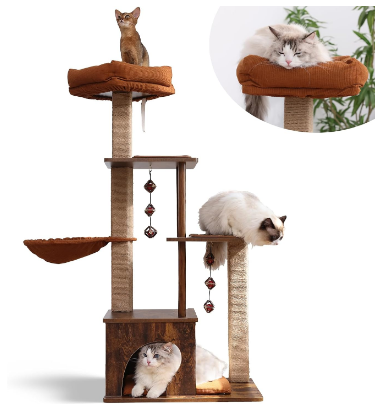
Cats do not experience a home only at floor level. Height can provide observation, separation, warmth, and control. A well-positioned perch may be more valuable than another toy because it lets the cat monitor activity without standing in the middle of it.
Vertical territory can include:
- A stable cat tree with platforms large enough for the cat.
- Properly anchored wall shelves with safe routes up and down.
- A secured window perch that fits the cat and the glass surface.
- Cleared furniture tops reached without crossing breakable objects.
- Lower steps or ramps for cats with mobility limitations.
Stability matters more than height. Test furniture for wobble, anchor tall structures according to their instructions, and avoid layouts that require a risky jump down. Windows and balconies must be secured with cat-resistant barriers; an ordinary insect screen may not withstand a determined cat.
Create a true safe place
A safe place is not merely the darkest area under a bed. It should allow the cat to withdraw without being followed, handled, medicated, or cornered. A covered bed, open carrier, shelf, or quiet room can work. Multi-cat homes need more than one option so a dominant animal cannot control access.
Keep at least part of the environment familiar. Cats use scent to understand territory, and aggressively deodorizing every sleeping surface at once can remove information that helps them feel secure [2][3]. Wash what needs cleaning, but do not make “no animal smell whatsoever” the goal of feline wellbeing.
6. Provide Scratching Where It Makes Sense
Scratching is normal communication, stretching, and claw-maintenance behavior—not destruction performed to punish an owner. The practical question is where, how high, and on which material the cat prefers to scratch.
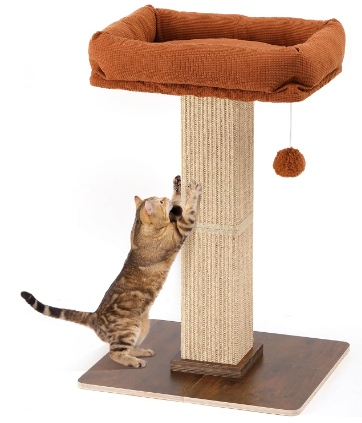
Offer both vertical and horizontal choices. A vertical post should be stable and tall enough for a full-body stretch; horizontal scratchers should not slide. Sisal, cardboard, wood, and rough fabric appeal to different cats [8].
Placement determines success. Put scratchers near sleeping locations, room entrances, windows, and the furniture already targeted. Reward use. If the cat scratches a sofa, place an appropriate surface directly beside that area before trying to move it gradually.
For a visually calm home, choose a limited palette of wood, neutral sisal, and replaceable cardboard inserts. Good design makes feline resources look intentional; it should not reduce their size, stability, or accessibility.
7. Schedule Daily Predatory Play
Independent toys are useful, but they do not replace interactive play. A person can vary speed, direction, concealment, and difficulty in response to the cat’s behavior. That responsive sequence is difficult for a device to reproduce.
Use a wand or other distance toy to imitate prey:
- Let the toy pause and hide rather than moving constantly in the open.
- Alternate slow stalking opportunities with short bursts of movement.
- Allow pouncing and successful capture.
- End before the cat is exhausted or frustrated.
- Offer part of a meal or small reward when appropriate.
Two or more short sessions may be easier to sustain than one long session. Kittens may want more frequent activity; seniors may prefer slower floor-level movement. Stop for panting, distress, lameness, or unwillingness to continue.
Rotate safe toys rather than leaving everything available permanently. Boxes, paper without dangerous handles or coatings, tunnels, scent exploration, training, and treat searches can create novelty without expensive electronics. Inspect toys for loose string, wire, feathers, foam, batteries, or pieces that could be swallowed.
Automated toys can add variety while you are occupied, but they should be introduced under supervision and switched off if they provoke fear, fixation, or unsafe collisions. A laser should not be the only form of play; include opportunities to catch a physical object.
For a deeper plan, see Why Indoor Cats Need Mental Stimulation—and How to Provide It.
8. Respect Rest, Routine, and Social Choice
Cats need substantial undisturbed rest. Put beds and perches away from repeated foot traffic, slamming doors, speakers, and children who may wake the cat. Several sleeping options let the cat select warmth, height, privacy, and proximity throughout the day.
Predictability reduces uncertainty. Feed, play, clean litter, and settle the home in a reasonably consistent rhythm while allowing gradual, positive exposure to normal variation. A rigid schedule can create problems if a minor delay becomes distressing; a flexible pattern is more resilient.
Positive human interaction must remain optional. Invite contact, watch body language, and stop when the cat turns away, stiffens, lashes the tail, flattens the ears, or moves to leave. Not every cat wants to be carried or sleep on a lap. Choice supports trust.
Do not assume a second cat will cure loneliness. Some cats form close social groups; others merely tolerate one another. Adding a cat can increase stress when space, introductions, or resources are inadequate. Evaluate temperament and household capacity, then use gradual scent and barrier introductions.
9. Make the Home Physically Safe
Indoor cats encounter hazards that have nothing to do with roads or predators. Audit the home at floor level, countertop level, and climbing height.
High-priority hazards
- Toxic plants: The ASPCA warns that true lilies in the Lilium and Hemerocallis groups can be lethal to cats; even small pollen exposure can cause kidney failure [10]. Verify every plant and bouquet before bringing it inside.
- Open windows and balconies: Use secure cat-resistant screening or enclosures and inspect attachment points regularly.
- String and small objects: Store thread, ribbon, dental floss, hair ties, rubber bands, and toy components where they cannot be swallowed.
- Medications and chemicals: Keep human and veterinary drugs, essential oils, cleaners, nicotine, cannabis, antifreeze, and pest products secured.
- Hot and moving appliances: Check washers, dryers, recliners, ovens, and dishwashers before use.
- Cords and batteries: Protect electrical cords and remove damaged battery-powered toys.
- Food hazards: Store onions, garlic, chocolate, alcohol, xylitol-containing products, and other unsafe foods securely.
Identification still matters indoors. Doors are left open, carriers fail, disasters happen, and cats escape during moves. Use a microchip registered with current contact information and consider a breakaway identification collar when appropriate.
Create an emergency plan that includes carriers, records, medication, food, litter, temporary housing, and a trusted caregiver. Carrier training should happen during calm weeks, not only when the cat is ill.
10. Keep Preventive Veterinary Care on the Calendar
“Indoor-only” does not mean medically self-contained. Pathogens and parasites can enter with people, other animals, insects, new pets, or an accidental escape. Vaccination and parasite-control decisions should be based on age, health, geography, household, legal requirements, and exposure risk—not skipped automatically because the cat stays inside [6][11].
A life-stage preventive plan may include:
- Comprehensive physical examinations at the interval your veterinarian recommends.
- Body weight, body-condition, and muscle-condition tracking.
- Vaccination and parasite risk assessment.
- Dental examination and an at-home oral-care plan.
- Blood pressure and laboratory screening when indicated by age or risk.
- Nail, skin, ear, eye, coat, and mobility assessment.
- Discussion of behavior, litter habits, appetite, water intake, and sleep.
Read more: Cat Vaccination Schedule: The Complete Guide Every Cat Owner Needs
Do not neglect dental health
FelineVMA caregiver guidance emphasizes that dental disease is common, painful, and often subtle. Daily brushing with cat-safe toothpaste is the most effective home-care target, introduced gradually and positively [9]. Human toothpaste should never be used. Veterinary oral exams remain necessary because disease can occur below the gumline.
Our guide, How to Brush Your Cat’s Teeth: A Stress-Free Guide, explains how to build the habit without forcing the mouth open on day one.
Know your cat’s normal
Track trends rather than waiting for a dramatic crisis. Know the usual amount eaten, water-source preference, urine clumps, stool pattern, resting breathing, play interest, jumping ability, grooming, and social behavior. A kitchen scale for food and periodic body-weight checks can make small changes visible.
Seek urgent veterinary help for open-mouth or labored breathing, collapse, seizures, serious trauma, inability to urinate, sudden hind-limb weakness, known lily or toxin exposure, or severe deterioration. Appetite loss, repeated vomiting, unexplained weight change, new house-soiling, pain, and marked behavior change also deserve prompt advice.
11. Use Smart Technology as a Tool, Not a Substitute
The most useful device is the one that solves a real problem without creating a new one.
| Technology | When it can help | What it cannot replace |
| Automatic feeder | Timed measured meals, early breakfast, some portion consistency | Calorie planning, appetite monitoring, or separated feeding unless designed for it |
| Water fountain | A preferred water presentation for an individual cat | Cleanliness, multiple water choices, or medical hydration planning |
| Pet camera | Observing broad activity or checking a room | A caregiver who can physically assess the cat and respond |
| Automated toy | Short periods of independent novelty | Responsive interactive play and inspection for damage |
| Self-cleaning litter box | Reducing some scooping workload | Appropriate box number, safe fit, manual observation of waste, or a backup box |
| Smart scale or litter tracker | Trend data when one cat can be identified reliably | Veterinary diagnosis or confirmation that data are accurate |
Choose fewer devices and maintain them well. Read safety instructions, install firmware updates when relevant, protect cords, clean food and water contact surfaces, and have a manual backup for power or network failure. If a cat avoids the device, the device has not improved the environment.
12. Adjust the Home as Your Cat Ages
Indoor care should evolve across the lifespan.
Kittens need frequent safe play, socialization, protected cords and small objects, low-entry litter boxes, and supervision around heights.
Healthy adults benefit from weight monitoring, varied play, food puzzles, dental care, and a stable routine that does not eliminate novelty.
Mature and senior cats may need lower perches, steps, warmer beds, larger low-entry boxes, traction on slippery floors, easier access to food and water, and more frequent health assessment. Reduced jumping is not always “just age”; arthritis and other pain are common and can be subtle.
A cat with visual, hearing, cognitive, kidney, urinary, endocrine, dental, or mobility disease needs an individualized layout and care plan. Preserve familiar routes and scents while making access easier.
Daily, Weekly, and Monthly Indoor Cat Checklist
Daily
- Confirm appetite, water access, urination, stool, breathing, mobility, and behavior.
- Scoop litter boxes and inspect output.
- Provide interactive play and positive social contact.
- Refresh food and water surfaces as needed.
Weekly
- Groom according to coat and individual need.
- Inspect toys, scratchers, perches, screens, and automated devices for damage.
- Rotate part of the enrichment selection.
- Review food and treat use rather than letting portions drift.
Periodically
- Record weight and body-condition trends.
- Wash boxes and resources according to material and use.
- Verify microchip and emergency-contact information.
- Review the preventive-care schedule and adjust the environment for age or health changes.
Frequently Asked Questions
Are indoor cats automatically healthier than outdoor cats?
Indoor living reduces exposure to many hazards, but it does not guarantee health. Obesity, dental disease, urinary problems, pain, stress, and inactivity can still occur. Safety must be paired with environmental resources, measured feeding, play, observation, and preventive veterinary care [1].
How can I tell if my indoor cat is happy?
Look for normal appetite and litter use, relaxed sleep, grooming, curiosity, play, comfortable movement, and voluntary social contact. Happiness does not require constant activity or cuddling. A sudden change from the cat’s normal behavior is more meaningful than comparison with another cat.
How much play does an indoor cat need?
There is no universal minute requirement. Age, health, temperament, and play intensity differ. Offer at least a few short opportunities daily and adjust to the cat’s engagement. Interactive hunting-style play, independent exploration, training, climbing, scratching, and food searches serve different needs.
Does an indoor cat need a cat tree?
Not necessarily one specific product, but most cats benefit from safe vertical choices and elevated observation. A stable tree, anchored shelves, a secure window perch, or accessible furniture can provide height. Seniors and cats with mobility limitations may need steps, ramps, or lower platforms.
Is a water fountain better than a bowl?
Only if the individual cat prefers it. A controlled study found no overall intake advantage among still, circulating, and free-falling water systems, although some cats had preferences [7]. Offer clean water in more than one format or location and monitor actual use rather than assuming movement is superior.
How many litter boxes does an indoor cat need?
A widely used starting rule is one box per cat plus one extra, placed in separate locations [8]. The real goal is unrestricted access. Large boxes, quiet placement, cleanliness, easy entry, and protection from ambush are more important than hiding every box in one furniture cabinet.
Can an automatic litter box replace every regular box?
It should not do so immediately. Keep a conventional box during transition and whenever it better suits the cat’s size, mobility, fear level, or need for waste monitoring. Follow the device’s safety limits. If the cat hesitates, avoids it, or eliminates elsewhere, restore a preferred option and investigate.
Should indoor cats still receive vaccines and parasite prevention?
Often, yes, but the exact plan is individualized. Indoor cats can encounter mosquitoes, fleas, intestinal parasites, other animals, contaminated items, or accidental outdoor exposure. Core vaccines, legal requirements, and additional protection should be discussed according to life stage and risk [6][11].
Does my indoor cat need another cat for company?
Not automatically. Some cats form close relationships; others prefer living without another cat. A second cat can increase tension if the match, introduction, space, or resources are poor. Add a companion only after evaluating the resident cat and the household’s ability to provide separate resources.
What are the most important warning signs in an indoor cat?
Seek emergency help for breathing difficulty, collapse, seizures, inability to urinate, sudden painful hind-limb weakness, major trauma, or known serious toxin exposure. Contact a veterinarian promptly for appetite loss, repeated vomiting, marked weight change, new house-soiling, pain, reduced mobility, or a significant behavior change.
Final Thoughts: A Healthy Indoor Life Is Designed Around the Cat
Keeping an indoor cat healthy and happy does not require choosing between feline wellbeing and a sophisticated home. It requires designing intentionally: a safe retreat, separated resources, attractive but functional vertical space, well-placed scratchers, clean litter boxes, measured food, accessible water, daily play, and predictable human care.
Technology can make portions, cleaning, or observation more convenient. It cannot create trust, diagnose illness, resolve resource conflict, or replace the responsive movement of an interactive toy. Start with the cat’s needs, then add only the devices that genuinely support them.
The most valuable habit is simple: know what is normal for your cat. When appetite, litter output, movement, breathing, grooming, sleep, or social behavior changes, respond early. A beautiful indoor sanctuary is not defined by how little evidence of a cat remains in the room; it is defined by how securely the cat can live as a cat within it.
Sources
- Feline Veterinary Medical Association. Meeting the Physical and Emotional Needs of Indoor Cats. Position statement updated in 2025; accessed August 23, 2026.
- Feline Veterinary Medical Association and iCatCare. Your Cat’s Environmental Needs: Practical Tips for Cat Caregivers. 2026.
- Ellis SLH, Rodan I, Carney HC, et al. AAFP and ISFM Feline Environmental Needs Guidelines. Journal of Feline Medicine and Surgery. 2013.
- Sadek T, Hamper B, Horwitz D, et al. Feline Feeding Programs: Addressing Behavioral Needs to Improve Feline Health and Wellbeing. Journal of Feline Medicine and Surgery. 2018.
- Cornell Feline Health Center. Feeding Your Cat. Updated April 30, 2026; accessed August 23, 2026.
- Quimby J, Gowland S, Carney HC, et al. 2021 AAHA/AAFP Feline Life Stage Guidelines. Journal of the American Animal Hospital Association. 2021.
- Robbins MT, Cline MG, Bartges JW, et al. Quantified water intake in laboratory cats from still, free-falling and circulating water bowls, and its effects on selected urinary parameters. Journal of Feline Medicine and Surgery. 2019.
- Carney HC, Sadek TP, Curtis TM, et al. 2014 AAFP/ISFM Guidelines for Diagnosing and Solving House-soiling Behavior in Cats. Journal of Feline Medicine and Surgery. 2014;16:579–598.
- Feline Veterinary Medical Association. Your Cat’s Dental Health. Updated June 2026; accessed August 23, 2026.
- ASPCA Animal Poison Control Center. Do You Know Which Flowers and Plants Are Toxic to Pets? Our Experts Explain. Published April 30, 2026; accessed August 23, 2026.
- American Animal Hospital Association and American Association of Feline Practitioners. Feline Life Stage Checklists. Accessed August 23, 2026.
Last updated August 23, 2026. This guide is reviewed when feline preventive-care, nutrition, behavior, or indoor-environment guidance changes.