Abyssinian Cat: Complete Guide to Personality, Care, Lifespan, and Ownership
The Abyssinian cat is often described as the athlete of the feline world. With its elegant appearance, boundless energy, and remarkable intelligence, this breed is perfect for owners who enjoy an active and interactive companion.
Unlike more relaxed breeds that prefer lounging on the couch, Abyssinians are constantly exploring, climbing, and investigating everything around them. Their curious nature and affectionate personality have made them one of the most admired cat breeds worldwide.
If you’re considering adding an Abyssinian to your family, this guide will cover everything you need to know about their personality, care, health, grooming, and daily needs.
What Is an Abyssinian Cat?
The Abyssinian is one of the oldest known domestic cat breeds. While its exact origins remain uncertain, the breed is often associated with ancient Egypt because of its resemblance to cats depicted in Egyptian art.
Today, Abyssinians are recognized for their graceful appearance, playful personality, and exceptional intelligence.
Abyssinian Cat Appearance
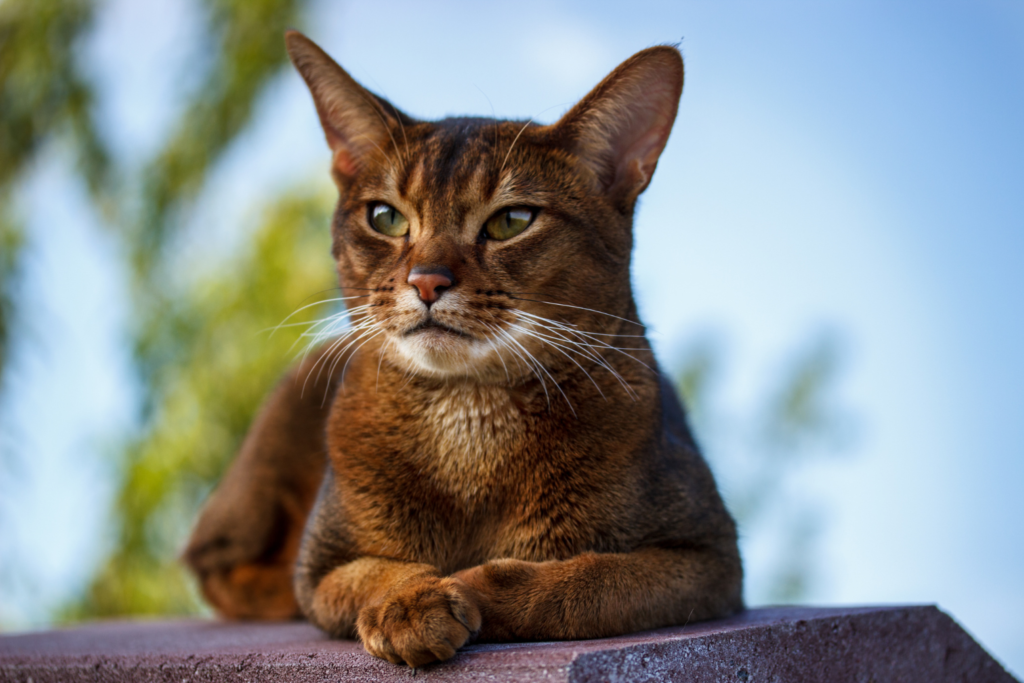
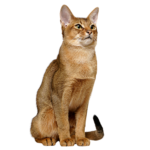
The Abyssinian has a sleek yet muscular body built for speed and agility.
Size
- Males: 8–12 pounds
- Females: 6–10 pounds
Body
They feature:
- Long, slender legs
- Athletic build
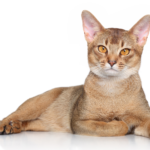
- Large ears
- Almond-shaped eyes
- Long, elegant tail
Their balanced proportions make them excellent climbers and jumpers.
Coat
The Abyssinian has a short, fine coat that is soft and easy to maintain.
Its most distinctive feature is the ticked coat, where each hair has multiple bands of color, creating a warm, shimmering appearance.
Common Coat Colors
Popular colors include:
- Ruddy
- Sorrel (Cinnamon)
- Blue
- Fawn
Abyssinian Cat Personality
The Abyssinian is famous for its lively and outgoing personality.
Highly Intelligent
Abyssinians learn quickly and enjoy solving problems.
Many can be taught:
- Fetch
- Simple commands
- Puzzle games
- Clicker training
Mental stimulation is just as important as physical exercise for this breed.
Extremely Active
These cats are almost always on the move.
They love:
- Climbing
- Running
- Jumping
- Exploring
- Playing interactive games
They thrive in homes that provide plenty of opportunities for activity.
Affectionate
Although they may not spend hours curled up on your lap, Abyssinians form strong bonds with their families and enjoy being involved in daily life.
Curious
Don’t be surprised if your Abyssinian investigates every cabinet, shelf, or new object in your home.
Are Abyssinian Cats Good Family Pets?
Yes.
Abyssinians generally do well with:
- Families
- Children
- Other cats
- Cat-friendly dogs
Because of their energetic personality, they enjoy households where someone is available to interact with them regularly.
Exercise and Enrichment
Exercise is essential for an Abyssinian’s physical and mental health.
Recommended enrichment includes:
- Tall cat trees
- Wall shelves
- Puzzle feeders
- Interactive toys
- Feather wands
- Cat tunnels
- Window perches
Aim for at least 20–30 minutes of interactive play each day.
Grooming Requirements
Despite their elegant appearance, Abyssinians are relatively low-maintenance.
Brushing
Brush once a week to remove loose hair and keep the coat healthy.
Nail Care
Trim nails every 2–4 weeks and provide scratching posts.
Dental Care
Brush teeth regularly and schedule routine veterinary dental checkups.
Ear Cleaning
Inspect the ears regularly and clean them if recommended by your veterinarian.
Feeding and Nutrition
Abyssinians are active cats that benefit from a balanced, protein-rich diet.
Choose foods that contain:
- High-quality animal protein
- Healthy fats
- Essential vitamins and minerals
- Omega fatty acids
Fresh water should always be available.
Common Health Concerns
Although generally healthy, Abyssinians may be predisposed to certain inherited conditions.
Progressive Retinal Atrophy (PRA)
A genetic eye disease that can gradually affect vision.
Renal Amyloidosis
A rare inherited kidney disorder seen in some bloodlines.
Periodontal Disease
Like many cats, Abyssinians benefit from regular dental care to reduce the risk of gum disease.
Choosing a reputable breeder and maintaining regular veterinary care can help support long-term health.
Indoor or Outdoor?
Abyssinians are best kept indoors or allowed outdoors only under supervision.
Safe options include:
- Secure catios
- Harness walks
- Enclosed gardens
Their adventurous nature can place them at risk if allowed to roam freely.
Pros and Cons of Owning an Abyssinian Cat
Pros
✔ Extremely intelligent
✔ Playful and energetic
✔ Affectionate with family
✔ Easy-to-maintain coat
✔ Excellent for active households
Cons
✘ Needs daily mental stimulation
✘ Can become bored if left alone for long periods
✘ Highly active compared to many breeds
✘ Requires plenty of climbing opportunities
Is an Abyssinian Cat Right for You?
An Abyssinian may be the perfect companion if you:
- Enjoy interactive pets
- Have time for daily play
- Want an intelligent and curious cat
- Can provide plenty of enrichment
If you prefer a quiet, low-energy lap cat, another breed such as the Persian or British Shorthair may be a better fit.
Frequently Asked Questions
Do Abyssinian cats shed a lot?
No. Their short coat sheds relatively little and requires minimal grooming.
Are Abyssinian cats affectionate?
Yes. They enjoy being close to their owners, although they usually express affection through interaction rather than extended cuddling.
Are Abyssinians good with children?
Absolutely. They typically do well with respectful children who enjoy playing with active pets.
How long do Abyssinian cats live?
With proper care, Abyssinian cats typically live 12–16 years, and many enjoy even longer lifespans.
Final Thoughts
The Abyssinian is one of the most intelligent, energetic, and engaging cat breeds in the world. Their playful spirit, athletic abilities, and affectionate personality make them an excellent choice for owners who want an active companion rather than a sedentary lap cat.
While they require more daily interaction and enrichment than many other breeds, Abyssinians reward their owners with endless curiosity, loyalty, and entertainment. If you’re prepared to keep both their body and mind stimulated, this remarkable breed can become a beloved member of your family for many years.