Persian Cat: Complete Guide to Personality, Care, Grooming, Health, and Ownership
By Demosthenes Staudinger | Updated August 29, 2026
Affiliate disclosure: This article contains affiliate links. As an Amazon Associate I earn from qualifying purchases. If you buy through one of these links, we may earn a commission at no additional cost to you. This does not affect our editorial recommendations.
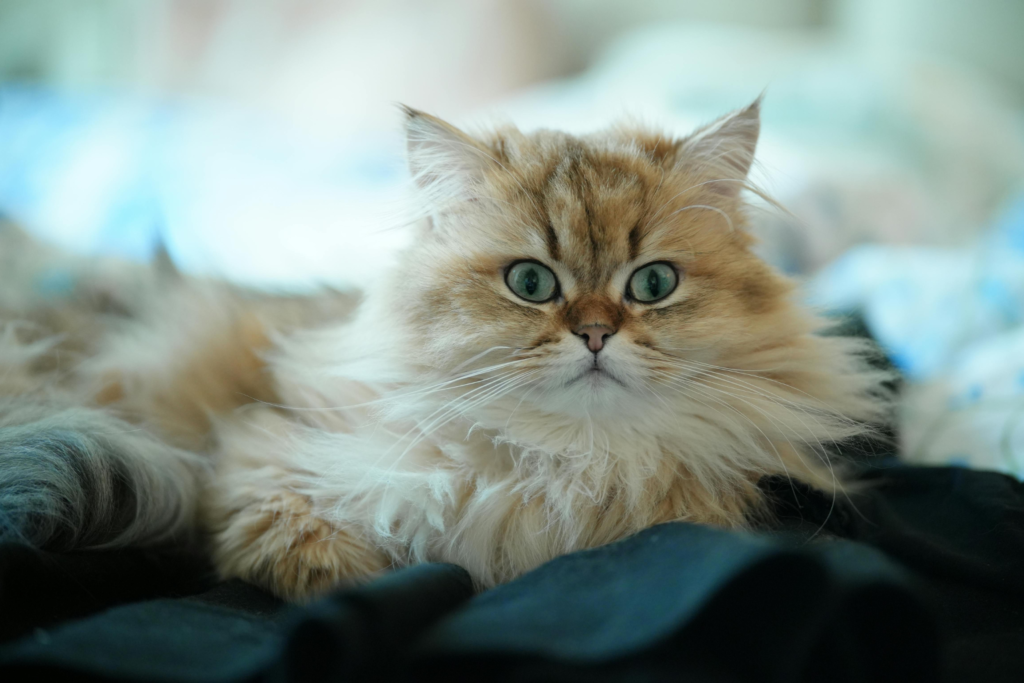
The Persian cat can make quiet companionship look effortless. It settles into a soft chair, watches the household through large round eyes, and carries one of the most recognizable coats in the cat world.
Living with one is not effortless, however.
That long coat needs consistent hands-on maintenance. The eyes and facial folds may need frequent cleaning. Because Persians are brachycephalic—meaning their skull and muzzle are shortened—responsible ownership also requires attention to breathing, eye comfort, dental alignment, and functional facial structure.
The breed’s calm reputation can be equally misleading when taken too far. Persians still need daily play, scratching opportunities, comfortable movement, social contact, clean litter boxes, and preventive veterinary care. A quiet cat is not a decorative cat.
For the right owner, these needs become a manageable routine rather than a burden. A metal comb, a few minutes of daily coat and face care, a calm home, and careful health screening matter more than filling the room with luxury accessories.
This Persian cat guide explains the breed’s personality, grooming, health, lifespan, home setup, and true ownership commitment—and helps you decide whether its needs fit your life.
How we researched this Persian cat guide: This is a research-based editorial guide, not a hands-on product test or veterinary diagnosis. We reviewed current TICA and CFA breed information, the current CFA breed standard, veterinary genetics resources from UC Davis, peer-reviewed research on feline brachycephaly, feline environmental guidance, and current manufacturer specifications for the featured products. Modern Cat Society has not purchased or field-tested those products. Manufacturer performance claims are identified as such.
Quick Verdict
Editorial verdict: The Persian can be a deeply affectionate, calm companion, but it is a good match only for an owner prepared to provide daily coat care, frequent facial hygiene, appropriate enrichment, and careful health screening.
Best for: Calm households that want a gentle indoor companion and can make grooming and observation part of every day.
Skip it if: You want a low-maintenance coat, dislike daily cleaning, cannot budget for preventive and potentially breed-related veterinary care, or are choosing primarily for an extremely flat face.
Persian Cat at a Glance
| Characteristic | Typical Persian cat |
|---|---|
| Size | Medium to large; compact and heavily boned |
| Body type | Cobby, broad-chested, short-legged, muscular |
| Coat | Long, dense, fine, and prone to tangles or mats |
| Personality | Gentle, quiet, affectionate, generally easygoing |
| Activity | Low to moderate, with playful bursts |
| Grooming | Daily combing is the practical baseline |
| Facial care | Often frequent; individual need varies |
| Life expectancy | TICA currently lists 8–11 years |
| Important health concerns | PKD, PRA-pd, brachycephalic airway problems, eye issues, dental malalignment, and HCM |
| Best environment | Predictable indoor home with accessible rest, play, scratching, and toileting areas |
| Main ownership challenge | Maintaining coat and facial comfort consistently |
These are breed tendencies, not guarantees. Temperament, coat texture, facial anatomy, health, and grooming tolerance vary substantially among individual Persians.
What Does a Persian Cat Look Like?
The Persian is built around roundness and balance. The current CFA standard describes a heavily boned cat with a broad chest, short strong legs, a rounded midsection, a short proportional tail, and good muscle tone without obesity.[3]
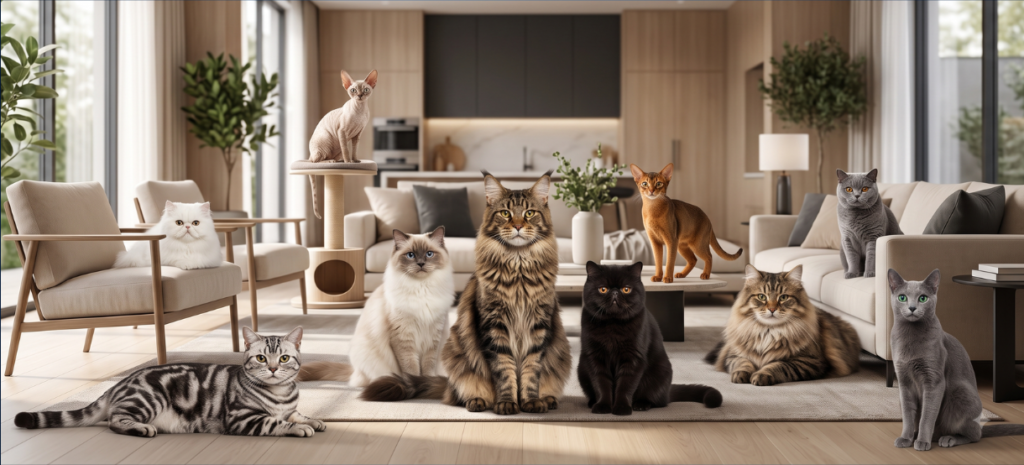
This compact shape is called cobby. It is very different from the long rectangular body of a Maine Coon or the lighter athletic outline of an Abyssinian. A Persian may look larger than the scale suggests because the coat stands away from the body and creates additional visual volume.
The head is round and broad, with full cheeks, small widely set ears, and large round eyes. The nose is short and broad, with a visible break between the eyes. Importantly, the CFA standard also says the nostrils should be sufficiently open for unrestricted breathing.[3] Functional airflow is therefore compatible with the written standard; obvious respiratory compromise should not be defended as necessary breed type.
The Persian coat and color divisions
The coat is long and thick over the entire body, with a full ruff and plumed tail. CFA recommends a long-toothed steel or coated comb because the coat can form mats and tangles.[2] Texture differs among individuals and color lines, which helps explain why one Persian may remain manageable with a predictable routine while another tangles quickly.
Persians appear in many colors and patterns. CFA organizes them into divisions that include solids, silver and golden, smoke and shaded, tabby, parti-color, calico and bi-color, and Himalayan pointed patterns.[2] A white, copper-eyed Persian is iconic, but it represents only one expression of the breed.
“Doll face” and more extreme facial types
People often use “doll face” or “traditional” for Persians with a less compressed facial appearance and “peke-face” for more extreme flattening. These informal labels are not health certificates. A photograph cannot confirm airway diameter, eye comfort, dental alignment, genetic status, or pedigree.
Evaluate the individual cat functionally. Look for open nostrils, quiet comfortable breathing, clean and comfortable eyes, an aligned face, normal movement, and willingness to eat and play. A less extreme-looking kitten can still have medical problems, while facial flatness alone does not tell you the full clinical picture.
Persian Cat Personality
The typical Persian personality is gentle, quiet, and affectionate. TICA describes the breed as easygoing and drawn to calm environments, while CFA emphasizes a placid temperament and devotion to human companions.[1][2]
Many Persians enjoy staying close to family without controlling every activity. One may sleep beside you, occupy a favorite chair, watch from a low perch, and appear for attention when the room becomes quiet. Some are enthusiastic lap cats; others prefer contact beside rather than on top of a person.
Breed reputation cannot guarantee sociability. Early handling, genetics, health, household stress, and the cat’s individual preferences all shape behavior. A cat in pain from mats, eye irritation, dental disease, or breathing difficulty may also become withdrawn or irritable.
Are Persians good family cats?
They can fit well in a respectful family. Their generally calm style often suits adults, seniors, and children who understand gentle handling. A Persian should always be able to leave an interaction, rest undisturbed, and reach food, water, and litter without being pursued.
Compatibility with dogs and other cats depends on the individuals and the introduction process. Use gradual scent exchange, physical separation at first, short controlled meetings, and multiple sets of essential resources. A calm breed still experiences stress when another animal blocks a doorway, guards a litter box, or repeatedly invades its resting place.
Are Persians vocal?
TICA describes a soft voice rather than excessive vocalization.[1] Many Persians communicate subtly through position, gaze, routine, and quiet sounds. Learn the individual cat’s normal pattern.
A new cry, persistent nighttime vocalization, or sudden silence should not be explained away as personality. Behavioral change can be an early sign of discomfort or illness.
Persian Cat Grooming and Coat Care
Daily grooming is the defining practical commitment of Persian ownership. TICA states that the coat requires daily attention, and CFA describes regular grooming as a serious responsibility.[1][2]
A quick pass over the surface with a soft brush is not always enough. The tool must reach gently through the coat so loose hair and early tangles are found before they tighten near the skin.
The essential tool: a metal comb
Use a cat-appropriate metal comb with teeth long enough for the coat. Work in small sections and pay close attention to friction areas:
- Behind and below the ears
- Under the front legs
- Chest and neck ruff
- Belly and groin
- Inner hind legs
- Around the rear, where hygiene problems can develop
Begin when the cat is relaxed. Hold the coat near the skin when addressing a small tangle so the skin is not pulled. Reward brief cooperation and stop before the cat becomes overwhelmed. Several calm minutes every day are more effective than a long weekly battle.
If a comb cannot pass through a mat without force, do not cut close to the skin with scissors. Feline skin is thin and can be drawn into a mat. A veterinarian or experienced cat groomer can determine whether careful clipping or another approach is safer.
Bathing and professional grooming
Some Persian owners use periodic baths to manage oil, loose coat, and staining. Frequency depends on the cat, coat, health, and owner’s ability. Comb before bathing, use only cat-appropriate products, rinse thoroughly, and dry the coat without overheating or frightening the cat.
Professional grooming can be worthwhile when coat volume, owner mobility, or the cat’s needs make home care difficult. It does not eliminate daily maintenance between appointments. Ask how the groomer handles cats, whether drying is monitored, and what happens if the cat becomes distressed.
Routine shaving is not automatically necessary for every Persian. A “lion cut” may solve an established matting problem, but it does not correct the home routine that allowed mats to develop. Discuss recurrent severe matting with a veterinarian because pain, obesity, arthritis, dental disease, or other illness can reduce self-grooming.
Persian Facial and Eye Care
Large, prominent eyes and shortened facial anatomy can make tearing and staining a recurring concern. TICA recommends regular, careful cleaning of the flat facial area, and CFA notes that the eyes may stain and can be wiped with a soft damp cloth.[1][2]
Use a separate clean section of cloth or pad for each eye. Soften dried material rather than scraping it, and keep the skin beneath the eyes dry after cleaning. Avoid strong fragrances, human eye drops, peroxide, essential oils, and unverified “tear stain removers” near the eyes.
Routine cleaning should never become a way to hide disease. Contact a veterinarian for squinting, redness, cloudiness, swelling, pain, rubbing, yellow or green discharge, an eye held closed, or a sudden increase in tearing.
Also inspect the nose and facial folds. Persistent moisture can irritate skin, while dried discharge can narrow already small external openings. Cleaning should be gentle; never insert a swab into a nostril.
Eating and drinking with a short face
Some Persians manage ordinary bowls without difficulty, while others do better with a wide, accessible dish that allows them to reach food without pressing the entire face into a deep container. This is an individual fit question, not proof of “whisker fatigue.”
Watch the cat eat. Repeatedly dropping food, chewing on one side, gagging, pawing at the mouth, weight loss, prolonged meals, or difficulty grasping pieces warrants veterinary or dental assessment rather than another designer bowl.
Brachycephaly, Breathing, and Functional Anatomy
Brachycephaly means the skull is shortened relative to its width. Not every brachycephalic cat has clinically important obstruction, and facial appearance alone cannot grade breathing function. However, current evidence does not support treating persistent respiratory noise or effort as harmless simply because the cat is a Persian.
A 2026 study using barometric whole-body plethysmography found impaired ventilation and increased upper-airway resistance in cats affected by brachycephalic obstructive airway syndrome, or BOAS.[6] The conclusion applies to cats with BOAS; it does not mean every Persian has the same severity.
An earlier CT study evaluated 69 Persians and 10 domestic shorthairs. Within the Persian group, increasing brachycephaly was associated with more of the eye globe lying outside the bony orbit, reduced height at one nasal opening measurement, and more premolar displacement.[7] These findings connect facial conformation with practical eye, airway, and dental considerations rather than appearance alone.
Signs that deserve veterinary attention
Arrange an assessment if a Persian has persistent noisy breathing, visible effort at rest, poor exercise tolerance, repeated gagging, sleep disruption, frequent overheating, or difficulty eating. Open-mouth breathing, blue or gray gums, collapse, or marked respiratory distress is an emergency.
When choosing a kitten, observe it awake and moving—not only asleep in an edited photograph. Ask to see the parents breathing at rest and after normal activity. Snoring is not a screening test, and “all Persians sound like that” is not a satisfactory health explanation.
Functional selection does not make a Persian less authentic. The current CFA standard explicitly asks for nostrils open enough to allow unrestricted breathing.[3]
Activity, Play, and the Best Home Setup
Persians are placid, but they are not meant to remain inactive. TICA describes bursts of play and recommends interactive toys, balls, and similar activities.[1]
Use short sessions that invite stalking, chasing, and capturing. A wand toy moved along the floor may suit the breed better than demanding repeated high jumps. Food puzzles, rolling toys, and toy rotation add variety without filling the home with permanent clutter.
The Feline Veterinary Medical Association emphasizes that indoor care should meet needs for safe rest, play, foraging or hunting behavior, clean toileting areas, and vertical territory.[8] Vertical space for a Persian can be modest and accessible: a stable low tree, broad window seat, or stepped route may be more useful than narrow ceiling-height shelves.
Persians often adapt well to apartments when these needs are met. Protect windows and balconies, anchor unstable furniture, provide scratching in preferred orientations, and give the cat more than one resting option. Short legs and a heavy coat do not eliminate normal feline curiosity.
Daily Care: Food, Water, Teeth, and Litter
Nutrition and weight
Persians do not require a luxury or breed-branded diet simply because of their pedigree. Choose nutritionally complete food appropriate for life stage and individual health, then adjust quantity with your veterinarian according to weight, body condition, activity, and neuter status.
Dense coat can disguise gradual weight gain or loss. Feel the body as well as looking at it, weigh the cat periodically, and include treats in the daily total. TICA cautions Persian owners to consider both food quality and quantity because excess weight can develop.[1]
Water
Keep clean water available at all times and wash bowls daily. Some cats prefer still water; others readily use a fountain. Placement, cleanliness, bowl accessibility, and individual preference matter more than buying the most complex device.
Drinking data from a smart fountain can reveal a change in routine, but it cannot diagnose kidney disease, dehydration, or another condition. Increased thirst, reduced drinking, appetite loss, weight change, or altered urination belongs in a veterinary conversation.
Teeth
Shortened facial anatomy can be associated with dental displacement, and the 2021 CT study found more upper premolar displacement with increasing brachycephaly among the Persians examined.[7] Ask your veterinarian to assess alignment and periodontal health.
Home brushing can support dental care when introduced gradually with cat-safe toothpaste. See our verified guide on how to brush your cat’s teeth.
Litter setup
Choose a box large enough for comfortable turning, digging, and positioning. A low entrance can help kittens, seniors, or cats with mobility limitations, while high sides may contain litter from an energetic digger. Scoop daily and keep facial or rear coat clean if it contacts wet litter or stool.
In multi-cat homes, distribute litter boxes so one animal cannot guard every route. Sudden house-soiling is not spite; rule out medical and environmental causes.
Persian Cat Health and Lifespan
Persians can develop conditions seen in any cat as well as risks associated with their ancestry or conformation. TICA specifically advises prospective owners to discuss PKD, respiratory problems, eye problems including PRA, and hypertrophic cardiomyopathy with the breeder and veterinarian.[1]
Genetic screening is valuable, but it addresses only the variant tested. It does not replace physical examination, cardiac assessment when indicated, respiratory evaluation, vaccination, parasite prevention, dental care, or observation at home.
Polycystic kidney disease
Polycystic kidney disease associated with the PKD1 variant is especially relevant to Persians and Persian-derived breeds. UC Davis describes it as autosomal dominant, meaning one copy of the associated variant can cause disease. Kidney cysts may appear before 12 months, while kidney failure usually develops later.[4]
Ask for the actual laboratory reports for both parents. “Vet checked,” “healthy line,” and a normal-looking kitten do not establish genetic status. DNA screening has made responsible prevention possible, but it must be used and documented.
Progressive retinal atrophy
UC Davis identifies PRA-pd as a recessive inherited retinal disease in Persians that can lead to early retinal thinning and blindness.[5] A carrier is not the same as an affected cat, but breeding pairs must be selected so affected kittens are not produced.
PRA testing does not explain every eye problem. Tearing, corneal injury, infection, eyelid abnormalities, and exposure associated with prominent eyes require clinical examination rather than a DNA certificate.
Hypertrophic cardiomyopathy
Hypertrophic cardiomyopathy, or HCM, is also listed by TICA among concerns to discuss.[1] Ask a breeder what cardiac screening is performed, by whom, and how often. A generic consumer DNA panel should not be treated as proof that every possible cardiac risk has been excluded.
Breathing difficulty, collapse, sudden hind-limb pain or weakness, and marked lethargy can be urgent signs. Seek veterinary care rather than waiting for a routine visit.
How long do Persian cats live?
TICA currently lists a life expectancy of 8–11 years.[1] This is a registry estimate, not a guaranteed ceiling and not a prediction for an individual cat. Some Persians live longer, while serious disease can shorten life.
Genetics, facial function, kidney and heart health, body condition, dental care, indoor safety, and access to veterinary care all influence longevity. The useful question is not whether a breeder promises a particular age, but what documented steps were taken to reduce preventable risk.
How to Find a Responsible Persian Breeder or Rescue
TICA’s buyer guidance recommends verifying breeder credibility, asking for the parents’ health and genetic records, seeing the parents in person or by video, reviewing how kittens are raised, and obtaining clear documentation.[9]
For a Persian, ask specifically for:
- PKD1 results for both parents
- PRA-pd results and an explanation of the pairing
- Cardiac screening practices and family history
- Respiratory, eye, and dental history
- Video showing the kitten moving and breathing normally
- Veterinary records appropriate to the kitten’s age
- A written contract, health terms, and rehoming policy
- The age at which the kitten can leave and how grooming has been introduced
Avoid choosing solely by color, eye color, social-media popularity, or extreme facial flatness. Be cautious when a seller refuses verifiable reports, offers many breeds continuously, pressures immediate payment, avoids live video, or requests difficult-to-recover payment methods.
A registry listing is useful but does not replace due diligence. Show titles evaluate conformation under registry rules; they are not comprehensive health clearance.
Persian rescues and general shelters may offer adults whose personality and grooming tolerance are already visible. A cat without pedigree documentation may be Persian-like or a mix, but it can still be an excellent companion. Request available medical history and budget for a full veterinary and dental assessment after adoption.
Three Optional Products for a Persian Cat Home
These recommendations solve different convenience problems. None is essential, and we have not tested them hands-on. A metal comb, ordinary water bowl, and washable unheated bed may be better for your cat.
| Product | Potential benefit | Main limitation | Simpler alternative |
| oneisall LM5C Grooming Vacuum | Collects some loose hair during brushing | Does not detangle mats; sound and suction may cause stress | Long-toothed metal comb and household vacuum |
| PETLIBRO Dockstream 2 Smart Cordless Fountain | Provides filtered moving water and single-pet app tracking | Requires cleaning, filters, charging, and cat acceptance | Wide ceramic or stainless-steel bowl |
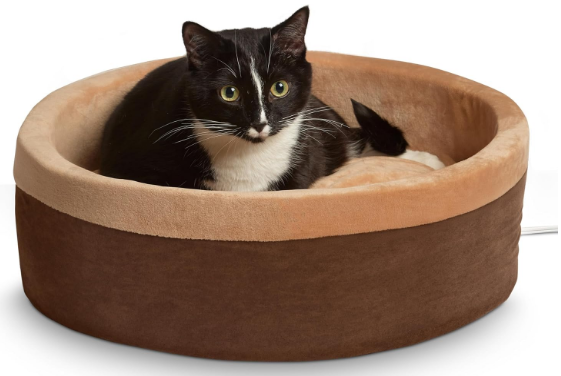
| K&H Thermo-Kitty Bed | Optional low-watt warmth in a bolstered bed | Many dense-coated Persians do not need heat | Washable unheated bed |
oneisall LM5C Grooming Vacuum
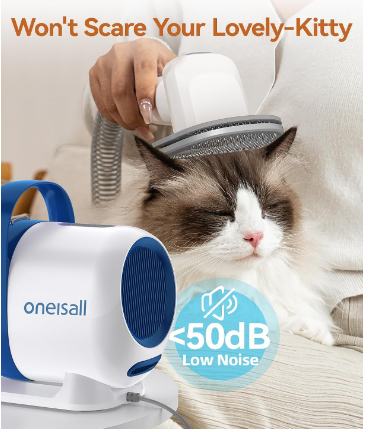
The oneisall LM5C is a corded 6-in-1 system with grooming and trimming attachments, a 1.5-liter dust cup, and manufacturer-listed suction up to 8,000 Pa. Oneisall states that operating noise is below 48 dB.[10] That number does not guarantee that a particular cat will consider it quiet.
Introduce the inactive tool first, then the sound at a distance, then a brief low-suction session only if the cat stays relaxed. Do not restrain a frightened Persian to finish grooming. The device collects loose surface coat but does not replace a comb reaching carefully through mat-prone areas.
Best for: A Persian that already tolerates powered appliances and an owner who wants to contain loose hair.
Skip it if: Your cat hides from vacuum noise, becomes tense around suction, or has established mats requiring skilled removal.
PETLIBRO Dockstream 2 Smart Cordless Fountain
The Dockstream 2 Smart Cordless model has a 3-liter reservoir, stainless-steel drinking tray, four-layer filtration, 5,200 mAh battery, and support for 2.4 GHz and 5 GHz Wi-Fi. PETLIBRO states that battery life can reach 30 days for one pet in sensor-activated mode; continuous flow requires different power conditions.[11]
The app can log drinking sessions and estimated intake for one pet at a time. In a multi-pet home, the data cannot reliably identify which untagged animal drank. Treat trends as observations, not clinical measurements.
Clean the tank, tray, rotor, and other permitted components on schedule, replace filters, and retain another water source during charging or maintenance. A fountain that looks clean can still develop residue in hidden areas.
Best for: A single-cat household that values cordless placement and is willing to maintain the fountain and app.
Skip it if: Multiple pets share the station and individual tracking is the main reason for buying, or you want a zero-consumable solution.

K&H Thermo-Kitty Heated Cat Bed
K&H offers the Thermo-Kitty Bed in 16-inch and 20-inch diameters. Both use a removable, thermostatically controlled 4-watt heater, have 6-inch foam walls and a removable cover, and carry a manufacturer-listed one-year limited warranty. K&H states that the complete product is safety certified.[12]
A heated bed is optional for a Persian with a dense coat. Measure the cat’s curled sleeping footprint, consider whether the 6-inch wall is easy to step over, and always leave access to an unheated resting place. Follow indoor-use and cleaning instructions, inspect the cord, and ask a veterinarian before adding heat for a cat that cannot reposition normally.
Best for: A heat-seeking Persian in a cool home that can enter, leave, and choose another bed freely.
Skip it if: Your cat avoids warm surfaces, has reduced mobility without veterinary guidance, or already prefers a simple breathable bed.
A Realistic Persian Cat Care Routine
Every day
- Comb through the coat, including friction-prone areas.
- Clean the eyes and face as needed with gentle materials.
- Inspect breathing, appetite, movement, urination, and stool.
- Scoop litter boxes and check the rear coat for soiling.
- Refresh water and wash bowls or inspect the fountain.
- Offer interactive play and calm social contact.
Every week
- Examine nails, ears, skin, mouth, and coat condition.
- Wash bedding and clean fountain parts according to instructions.
- Check food portions and note appetite changes.
- Inspect scratchers, low perches, cords, and heated products for wear.
Periodically
- Weigh the cat and reassess body condition.
- Trim nails at an interval appropriate for the individual.
- Arrange professional grooming if home care is insufficient.
- Schedule preventive veterinary and dental care.
- Reassess access as the cat ages or mobility changes.
Consistency makes each task shorter and helps you notice subtle changes earlier.
Pros and Cons of Persian Cat Ownership
| Pros | Cons |
| Usually gentle and quietly affectionate | Long coat needs daily hands-on care |
| Often well suited to calm indoor homes | Mats can become painful quickly |
| Moderate activity can fit apartment living | Eyes and face may need frequent cleaning |
| Enjoys companionship without constant high-energy play | Brachycephalic anatomy can affect breathing, eyes, and teeth |
| Many colors and patterns | Breed-relevant genetic screening is essential |
| Accessible enrichment can be visually discreet | Dense coat can hide weight and skin changes |
| Can coexist with respectful children and compatible pets | Professional grooming may add cost |
| Predictable routine often suits the breed | A quiet temperament can make subtle illness easy to miss |
Who Should Choose a Persian Cat?
A Persian is a strong match for someone who genuinely enjoys routine care. You should be comfortable combing every day, cleaning the face without resentment, observing breathing and eye comfort, maintaining dental and veterinary care, and choosing function over exaggerated appearance.
The breed may work especially well for a quieter apartment, a home with gentle older children, or an owner who wants a companion nearby rather than an athlete constantly exploring the highest shelf.
Choose another breed or an adult shorthaired rescue if daily coat maintenance feels unrealistic. A British Shorthair may offer a calmer style with much less coat work, while an active longhaired breed may suit someone seeking more climbing and play. The right choice is the cat whose real needs you can meet consistently, not the one that photographs most dramatically.
Frequently Asked Questions
1. Are Persian cats high maintenance?
Yes, compared with most shorthaired cats. Daily coat care, frequent facial cleaning, and observation of breathing, eyes, teeth, and skin are central responsibilities. The routine can be efficient, but it cannot be safely postponed whenever life becomes busy.
2. Do Persian cats need to be combed every day?
TICA says the coat requires daily attention.[1] A long-toothed metal comb is more useful than brushing only the surface. Individual coats vary, but daily checking prevents small tangles from becoming painful mats.
3. How often should a Persian cat be bathed?
There is no universal schedule. Some owners use periodic baths; others rely mainly on combing and targeted hygiene. Coat texture, oil, health, staining, and professional guidance should determine frequency. Always remove tangles before wetting the coat.
4. Are Persian cats affectionate and good lap cats?
They are generally described as gentle and affectionate, and many enjoy laps.[1][2] Others prefer lying beside their person. Breed tendencies cannot guarantee how an individual cat wants to receive contact.
5. Are Persian cats good with children and dogs?
They can be, particularly with calm children and compatible pets. Gentle handling, gradual introductions, supervision, escape routes, and separate resources matter more than the breed label alone.
6. Can a Persian cat live happily in an apartment?
Yes. Provide daily play, scratching, safe rest, window access, clean litter boxes, and accessible vertical options.[8] The breed’s lower activity level does not remove its need for movement and enrichment.
7. Why do Persian cats have watery eyes?
Prominent eyes and shortened facial anatomy can contribute to tearing and staining. Routine gentle cleaning may be needed, but redness, pain, squinting, cloudiness, or changed discharge requires veterinary assessment.
8. Do all Persian cats have breathing problems?
No. Brachycephaly varies, and not every Persian has clinically important obstruction. However, cats affected by BOAS can have impaired ventilation.[6] Persistent noise, effort, exercise intolerance, or open-mouth breathing should not be dismissed as normal.
9. What health tests should a Persian breeder provide?
At minimum, ask for documented PKD1 and PRA-pd results for both parents and discuss cardiac screening, respiratory function, eye health, and dental history.[1][4][5] Request laboratory reports rather than a verbal “clear” claim.
10. How long do Persian cats live?
TICA currently lists 8–11 years.[1] It is a general estimate, not an expiration date. Individual longevity depends on genetics, facial function, kidney and heart health, body condition, safety, and veterinary care.
11. Do Persian cats shed a lot?
Their long, dense coats release loose hair and require regular maintenance. Daily combing captures some hair before it reaches furniture or is swallowed, but no grooming tool makes a Persian non-shedding.
12. Is a “doll-face” Persian automatically healthier?
No. A less compressed appearance may avoid some extremes, but the label does not verify airway function, eye comfort, dental alignment, PKD1 status, PRA-pd status, or pedigree. Evaluate the individual and review documented health screening.
Final Verdict: Is a Persian Cat Right for You?
The Persian cat is worth considering if you want a calm, affectionate indoor companion and see daily care as part of the relationship rather than an inconvenience.
Its greatest strengths are a gentle presence, moderate activity, and close family companionship. Its greatest demands are equally clear: a coat that cannot be neglected, a face that often needs cleaning, and anatomy and inherited risks that require careful breeder selection and veterinary attention.
Premium products can make parts of the routine more convenient, but they do not define good Persian care. A reliable metal comb, clean water bowl, washable bed, appropriate play, and documented health screening are more important than a connected fountain or grooming appliance.
Choose health and function before facial extremity, and choose consistency before glamour. For an owner prepared to do that, the Persian’s beauty becomes more than appearance—it becomes the visible result of thoughtful care.
Sources and References
- The International Cat Association — Persian. Breed personality, activity, lifespan estimate, daily coat and facial care, nutrition, and health concerns. View source
- Cat Fanciers’ Association — Persian. Temperament, cobby body type, color divisions, grooming, eye cleaning, and breed-health context. View source
- Cat Fanciers’ Association — Persian Show Standard, revised 2025. Current conformation language covering balance, coat, body, face, and open nostrils. View source
- UC Davis Veterinary Genetics Laboratory — Polycystic Kidney Disease (PKD1). Disease presentation, autosomal-dominant inheritance, cyst development, and genetic testing. View source
- UC Davis Veterinary Genetics Laboratory — Progressive Retinal Atrophy (PRA-pd), Persian. Recessive inheritance, early retinal degeneration, and available genetic testing. View source
- Chen et al. — Characterization of Brachycephalic Obstructive Airway Syndrome in Cats Using Barometric Whole-Body Plethysmography. 2026 study of ventilatory function and upper-airway resistance in affected cats. View source
- Sieslack et al. — Correlation of Brachycephaly Grade With Exophthalmos, Reduced Airway Passages, and Dental Malalignment in Persian Cats. 2021 CT study connecting more extreme conformation with ocular, nasal, and dental measurements. View source
- Feline Veterinary Medical Association — 2024 Indoor/Outdoor Lifestyle Position Statement. Environmental needs for safe rest, play, foraging, vertical territory, and toileting. View source
- The International Cat Association — Pet Buyer’s Guide. Breeder verification, parental health records, contracts, and scam avoidance. View source
- oneisall — LM5C 6-in-1 Cat Grooming Vacuum Kit. Current manufacturer-listed attachments, capacity, power, noise, warranty, and return information. View source
- PETLIBRO — Dockstream 2 Smart Cordless Fountain. Current manufacturer capacity, materials, battery, connectivity, app-tracking, filtration, and mode limitations. View source
- K&H Pet Products — Thermo-Kitty Bed. Current manufacturer sizes, wattage, removable heater, cover, certification claim, and limited warranty. View source
Sources, specifications, prices, and policies reviewed August 29, 2026. Product features, retailer terms, warranty coverage, and manufacturer guidance may change. Verify critical details with the manufacturer or retailer before purchasing.