Signs Your Cat Is Sick: 15 Symptoms You Should Never Ignore
By Demosthenes Staudinger | Updated August 30, 2026
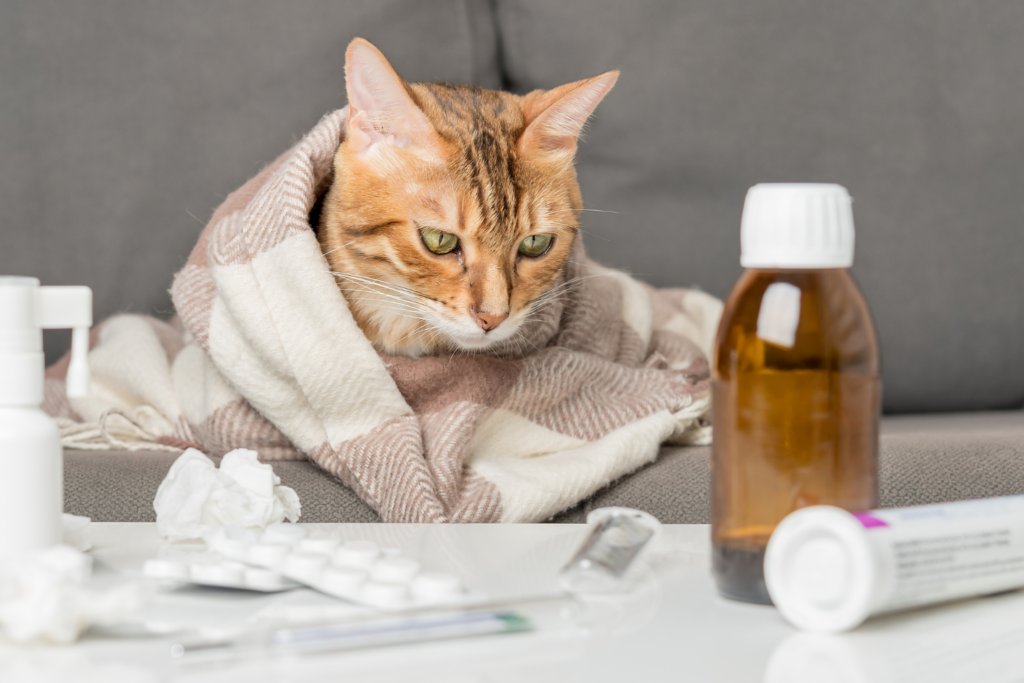
Cats rarely announce illness in a way that is easy to interpret. A cat who feels unwell may not cry, limp dramatically, or seek help. They may simply stop meeting you at the door, leave a little food behind, sleep in a different place, or make one extra trip to the litter box.
Those quiet changes are easy to dismiss, especially when a cat is still eating, walking, or purring. Yet purring does not prove that a cat is comfortable, and a normal-looking moment does not cancel a meaningful change in breathing, appetite, elimination, movement, or behavior.
Recognizing the signs your cat is sick therefore begins with knowing what is normal for your cat. How quickly do they finish breakfast? How often do you scoop urine clumps? Which surfaces do they jump onto? How social are they at different times of day? A change from that personal baseline can be more informative than a generic description of a “sick cat.”
Not every symptom in this guide means an emergency, and no single symptom identifies a specific disease. Increased thirst, for example, can accompany several unrelated conditions. Hiding can reflect pain, fear, household stress, or illness. The purpose of observing signs is to decide how quickly your cat needs professional help—not to diagnose the cause at home.
Some warning signs allow time for a scheduled appointment. Others, including open-mouth breathing, inability to pass urine, collapse, seizures, pale gums, or sudden loss of limb function, justify immediate emergency care. Waiting to see whether those signs resolve can remove valuable treatment time.[1]
This guide explains 15 cat illness symptoms, how to distinguish an emergency from a prompt veterinary visit, and what information to collect before you call. If your cat is struggling to breathe, cannot urinate, has collapsed, is actively seizing, or is suddenly unable to use one or more limbs, stop reading and contact the nearest emergency veterinary hospital now.
Medical note: This article provides general education and cannot diagnose your cat. A veterinarian who can examine your cat and review their history is the appropriate person to determine the cause and treatment. If you are uncertain whether a symptom is urgent, call your veterinary clinic or an emergency hospital and describe exactly what you see.
How we reviewed this guide: This is a research-based health guide, not a veterinary examination or a substitute for individualized care. We reviewed current client guidance from Cornell University College of Veterinary Medicine, the American Animal Hospital Association (AAHA), and the Feline Veterinary Medical Association’s Cat Friendly Homes program. The optional monitoring and transport products were evaluated from current manufacturer documentation and retailer listings; Modern Cat Society has not field-tested them. Urgency recommendations are intentionally conservative because the same outward sign can have causes of very different severity.
Affiliate disclosure: This article contains affiliate links. As an Amazon Associate I earn from qualifying purchases. If you buy through one of these links, we may earn a commission at no additional cost to you. This does not affect our editorial recommendations.
Quick Verdict
- Editorial verdict: Any sudden, persistent, progressive, or unexplained change from your cat’s normal behavior deserves attention. Breathing difficulty, inability to urinate, collapse, seizures, pale gums, severe trauma, and sudden limb weakness require emergency evaluation rather than home monitoring.
- Best for: Cat caregivers who want a practical framework for recognizing subtle illness, recording useful observations, and deciding whether to seek emergency, same-day, or prompt scheduled care.
- Skip it if: Your cat is currently in distress. Call an emergency veterinary hospital instead of using an online checklist to rule out a problem.
Cat Symptom Triage at a Glance
| Level of care | What belongs in this category |
|---|---|
| Emergency care now | Open-mouth or visibly labored breathing; inability to pass urine; collapse or unresponsiveness; an active, repeated, or prolonged seizure; pale or white gums; sudden loss of limb use; severe trauma; uncontrolled bleeding; a markedly swollen or painful abdomen; or severe signs after a known or suspected toxin exposure.[1][13] |
| Call for same-day guidance | Repeated vomiting; blood in vomit or stool; black, tarry stool; refusal to eat; marked lethargy; painful squinting; acute lameness; persistent coughing; a sudden major increase in thirst or urination; or diarrhea accompanied by weakness, pain, vomiting, or reduced intake. Your veterinarian may direct you to an emergency hospital depending on the details. |
| Arrange a prompt appointment | Gradual weight change; ongoing bad breath; reduced jumping; coat or grooming changes; a new lump; increased irritability; altered sleep; or a persistent change in appetite, litter-box habits, or sociability. “Prompt” becomes “same day” if the change is severe, rapidly worsening, or accompanied by an emergency sign. |
Age and medical history change the threshold. A young kitten, a frail senior, a pregnant cat, or a cat with diabetes, kidney disease, heart disease, or another chronic condition can deteriorate faster than a healthy adult. Postoperative cats also need the discharge instructions from their own veterinary team, which may set stricter limits than a general guide.
Why Cats Can Look Normal When They Are Sick
Cats are both hunters and small enough to be vulnerable to larger animals. Concealing weakness can therefore be an adaptive behavior. In a home, that tendency may appear as stillness, withdrawal, reduced interaction, or a subtle change in posture rather than an obvious display of pain.
Familiar routines can hide illness too. A multi-cat household may make it difficult to know which cat urinated, vomited, or left food behind. Free-feeding obscures appetite changes, and an automatic litter box may remove waste before anyone notices a change in volume or frequency. Technology can help track routines, but it cannot interpret a symptom or replace a physical examination.
Build a useful baseline by noticing ordinary patterns when your cat is well. Record weight periodically, learn the approximate number and size of daily urine clumps, observe how your cat climbs and jumps, and know how much food is actually consumed rather than merely served. Small deviations then become easier to identify.
The Feline Veterinary Medical Association emphasizes that even slight changes in a cat’s normal temperament or behavior can signal sickness or pain. Reduced appetite, hiding, decreased mobility, grooming changes, altered elimination, squinting, a hunched posture, and new sensitivity to touch all deserve attention.[10]
15 Signs Your Cat Is Sick
1. Labored, Rapid, or Open-Mouth Breathing
A relaxed cat should breathe quietly without obvious abdominal effort. Warning signs include breathing with the mouth open, exaggerated movement of the chest or abdomen, noisy breathing, a lowered head with the neck extended, or an inability to settle comfortably. Cornell describes rapid breathing, open-mouth panting, frequent coughing, and a forward-stretched posture among signs associated with feline breathing difficulty.[2]
Open-mouth or visibly labored breathing is an emergency. Keep your cat calm, minimize handling, place them in a well-ventilated carrier if this can be done without a struggle, and call the emergency hospital while leaving. Do not hold the cat tightly against your chest or put food, water, or medication in their mouth.
When your cat is sleeping comfortably and is not purring, you can count one rise and fall of the chest as one breath. Count for 30 seconds and multiply by two. Cornell notes that a cat with lower respiratory disease should not exceed 35 breaths per minute at rest.[3] A persistent rate above that level warrants veterinary guidance, but the number is not a home “clearance test”: visible effort, open-mouth breathing, weakness, or abnormal gum color is urgent regardless of the count.
2. Straining to Urinate or Producing Little or No Urine
Repeated litter-box visits, prolonged squatting, crying, genital licking, urinating outside the box, or passing only drops can indicate lower urinary tract disease. Caregivers sometimes mistake urinary straining for constipation, especially when no urine is visible. Treat uncertainty seriously.
A urethral obstruction prevents urine from leaving the bladder and is an absolute emergency. Cornell explains that an obstructed cat may strain repeatedly, produce little or no urine, and become increasingly distressed; without relief, toxins and dangerous electrolyte disturbances can develop rapidly.[4] Male and neutered male cats have greater obstruction risk because their urethra is longer and narrower, but urinary pain or difficulty in any cat requires prompt evaluation.
Do not press on the abdomen, attempt to express the bladder, give leftover antibiotics, or wait overnight to see whether a urine clump appears. If your cat is making frequent unsuccessful attempts to urinate, call an emergency veterinary hospital now. A video of the litter-box behavior can help the clinician, but recording it should never delay departure.
3. Collapse, Unresponsiveness, Seizures, or Sudden Disorientation
A cat who collapses, cannot stand, becomes unresponsive, or has a seizure needs immediate veterinary assessment. A seizure may involve falling, stiffening, paddling, jaw movements, drooling, loss of awareness, or urination. More subtle neurologic changes include circling, stumbling, pressing the head against a surface, staring without responding, or suddenly seeming unable to navigate a familiar room.
During a seizure, move nearby objects away if it is safe, reduce light and noise, and time the episode. Do not restrain the cat and do not place fingers or objects in the mouth. Cats do not swallow their tongues, and a frightened or disoriented cat may bite unintentionally. Call an emergency clinic for instructions, especially for a first seizure, repeated seizures, incomplete recovery, toxin exposure, trauma, or an episode that continues.
Cornell’s urgent-care criteria classify seizures and sudden collapse as emergencies.[1] Even if your cat appears normal afterward, the cause can range from a metabolic disturbance or toxin to cardiovascular or neurologic disease. A short video is valuable when safely obtainable, but an online video cannot replace examination and testing.
4. Sudden Hind-Limb Pain, Weakness, or Paralysis
Sudden dragging of one or both rear legs, inability to stand, intense vocalization, or severe hind-limb pain is an emergency. Trauma and spinal injury are possible, but cats with heart disease can also develop a blood clot that travels from the heart and blocks circulation to the rear limbs, a complication called arterial thromboembolism.
Cornell notes that hypertrophic cardiomyopathy can lead to acute hind-limb pain or paralysis when a clot obstructs blood flow.[5] Affected cats may also breathe rapidly or with effort. This is not a problem to massage, stretch, or monitor at home.
Move the cat as little as possible, use a firm carrier or flat support if trauma is suspected, and call the emergency hospital en route. Do not give aspirin or any human pain medication. Sudden loss of limb use is included in Cornell’s emergency criteria even when the underlying cause is not yet known.[1]
5. Pale or White Gums
If your cat allows safe handling, gently lift the lip and look at an unpigmented area of gum. Healthy gum color is generally pink, although normal pigmentation varies and some cats have dark patches. What matters is a striking change from your cat’s usual color.
Very pale or white gums can accompany anemia, blood loss, shock, or poor circulation. They are an emergency sign, particularly when combined with weakness, rapid breathing, a fast heartbeat, cold extremities, vomiting, black stool, trauma, or collapse. Cornell’s urgent-care guidance specifically lists pale gums among situations requiring emergency-hospital care.[1]
Do not repeatedly manipulate a distressed cat to inspect the mouth. If the gums look unusually pale and the cat is weak or breathing abnormally, leave for emergency care. Gum color alone cannot identify the cause, and lighting or natural pigment can make home interpretation difficult; use it as a warning sign, not a diagnostic test.
6. Repeated Vomiting or Vomiting With Other Warning Signs
One isolated vomit in an otherwise bright cat may not indicate a crisis, but repeated vomiting is different. Call promptly when vomiting occurs several times, prevents water from staying down, contains blood or foreign material, follows possible toxin or string ingestion, or appears with pain, weakness, diarrhea, appetite loss, or altered urination.
Cornell advises prompt evaluation for cats that vomit frequently or have accompanying lethargy, weakness, decreased appetite, blood in the vomit, thirst or urination changes, or diarrhea.[7] Causes range from gastrointestinal irritation and parasites to metabolic disease, poisoning, or an obstruction, so appearance alone rarely reveals the diagnosis.
Photograph the vomit and note frequency, timing, food, medications, possible plant exposure, and access to thread, ribbon, rubber bands, or human medication. If string is visible from the mouth or anus, do not pull it; linear foreign material can injure the intestines. Do not give an over-the-counter anti-nausea drug unless your veterinarian prescribed it for this cat and this episode.
7. Refusal to Eat or a Major Appetite Change
A cat who stops eating should not automatically be labeled “picky.” Pain, nausea, fever, respiratory congestion, dental disease, stress, and many systemic illnesses can reduce food intake. A sudden increase in appetite can also be meaningful, especially when accompanied by weight loss, thirst, restlessness, or diarrhea.
Cornell describes anorexia as a broad clinical sign rather than a diagnosis and warns that sustained food refusal can seriously affect a mature cat in as little as 24 hours; very young kittens can be endangered sooner.[6] Contact your veterinarian promptly when your cat refuses food. Do not wait for a full day if the cat is a kitten, senior, diabetic, already ill, vomiting, weak, or showing any other concerning sign.
Measure what was offered and what remains, and distinguish approaching the food but backing away from never showing interest. Dropping kibble, chewing on one side, licking gravy but leaving solids, or seeming hungry yet unable to eat can point toward mouth pain or difficulty swallowing. Avoid force-feeding unless a veterinary professional has demonstrated a safe plan; coercion can worsen food aversion and may create aspiration risk in an impaired cat.
8. Increased Thirst or Urination
Filling the water bowl more often, finding larger or more numerous urine clumps, seeing a cat visit multiple water sources, or noticing new accidents can indicate a meaningful change. Warm weather and a transition from wet to dry food can alter drinking, but a persistent increase should not be assumed to be harmless.
AAHA identifies excessive thirst or urination as a warning sign associated with conditions such as kidney disease, diabetes, and urinary disorders.[9] These observations cannot tell you which condition is present. A veterinarian may need an examination, bloodwork, blood pressure measurement, and urinalysis to interpret the pattern.
Track water intake only if doing so is practical and does not restrict access. In multi-cat homes, temporarily offering separate resources can help identify the affected cat, but never ration water. Call sooner if increased drinking accompanies vomiting, weight loss, weakness, reduced appetite, or a sudden change in urination. Straining with little or no urine remains an emergency, even if the cat also appears thirsty.
9. Unexplained Weight Loss or Weight Gain
Gradual weight loss is easy to miss beneath a long coat. You may first notice a more prominent spine, hips, or shoulder blades, a looser collar, or less muscle over the hindquarters. Weight gain can also conceal abdominal enlargement, fluid accumulation, reduced activity, or a growing health problem.
AAHA advises veterinary evaluation for sudden or unexplained weight change, including weight loss despite a strong appetite.[9] A scale cannot reveal whether the change reflects fat, muscle, fluid, or an enlarged organ, so trend and body condition both matter.
Weigh your cat consistently on the same scale when possible. For a cooperative cat, weigh yourself holding the cat and subtract your weight; a baby or pet scale gives a more useful trend for smaller changes. Record the date rather than relying on memory. Schedule an appointment for an unexplained trend, and seek faster care when weight change is accompanied by appetite loss, vomiting, diarrhea, increased thirst, a swollen abdomen, breathing changes, or profound lethargy.
10. Diarrhea, Constipation, Blood, or Black Stool
Stool changes provide useful information about hydration, digestion, pain, and intestinal function. Note frequency, consistency, color, mucus, fresh red blood, straining, and whether the cat is actually passing stool. Cornell explains that diarrhea can be short-lived but can also reflect serious disease, and watery stool may cause loss of water and electrolytes.[8]
Call the same day for repeated watery diarrhea, blood, black or tarry stool, significant straining, pain, marked lethargy, reduced appetite, vomiting, or signs of dehydration. A kitten, senior, or medically fragile cat warrants a lower threshold. Black, tar-like stool can represent digested blood and needs prompt professional assessment.
Constipation may appear as repeated box visits, small hard stools, crying, or no stool. Because urinary blockage can look similar, never assume a straining cat is merely constipated—first confirm whether normal urine is being produced. Do not give mineral oil, a human enema, laxatives, or a sudden high dose of fiber without veterinary direction; some products and techniques are dangerous for cats, and treatment depends on the cause.
11. Hiding, Withdrawal, Irritability, or a Changed Routine
Behavior is a health measurement. A social cat who disappears under the bed, a calm cat who growls when touched, or a predictable cat who stops greeting you may be communicating pain or illness. Other changes include restlessness, unusual clinginess, nighttime vocalization, confusion, avoiding a favored room, or sleeping in an unfamiliar posture or location.
Context matters. Moving, visitors, construction, a new animal, or conflict between cats can alter behavior without physical disease. Even so, stress and illness can coexist, and a sudden personality change should not be dismissed as spite. Cat Friendly Homes lists withdrawal, hiding, reduced activity, appetite loss, aggression, altered elimination, and sensitivity to touch among potential signs of feline pain.[10]
Look for a cluster: hiding plus reduced food intake, a hunched posture, squinting, litter-box change, or reluctance to move is more concerning than one quiet afternoon. Contact the veterinarian promptly for a persistent or substantial change, and urgently if the cat seems disoriented, cannot stand, cries continuously, or has abnormal breathing.
12. Limping, Stiffness, or Reluctance to Jump
Cats with pain do not always limp. They may pause before jumping, use an intermediate surface, pull themselves up with the front legs, descend awkwardly, stop climbing stairs, sleep more, or resent being picked up. Reduced grooming over the back and hips can accompany limited mobility.
AAHA includes limping, stiffness, difficulty rising, and avoidance of jumping or stairs among changes that warrant veterinary assessment.[9] Cat Friendly Homes similarly identifies reduced movement, hesitation to climb or jump, and difficulty standing or walking as possible pain signs.[10]
Limit access to high surfaces while waiting for guidance, place food, water, and a low-entry litter box on one level, and avoid manipulating the painful limb. Acute non-weight-bearing lameness, a dangling limb, obvious fracture, severe pain, trauma, or sudden loss of hind-limb use needs urgent or emergency care. A gradual mobility decline still matters: it may be treatable, and “slowing down” should not automatically be attributed to normal aging.
13. Grooming, Coat, Skin, or Body-Surface Changes
A healthy cat’s coat can vary by breed and age, but a new greasy, clumped, dull, or unkempt appearance may mean the cat no longer feels able to groom normally. Reduced grooming can accompany pain, dental problems, obesity, weakness, or systemic illness. Overgrooming, bald patches, broken hair, redness, scabs, itching, and wounds suggest discomfort even when the cat otherwise acts normal.
New lumps, rapidly changing masses, swelling, nonhealing sores, and persistent skin lesions deserve an examination. AAHA recommends veterinary assessment for new or unusual lumps, rashes, hair loss, or persistent itching because mild and serious conditions can look similar at home.[9]
Photograph the area beside a ruler or coin, note the date, and prevent licking only with a veterinary-approved method. Do not apply essential oils, human creams, peroxide, or leftover parasite medication. Some dog flea products are toxic to cats, and topical products can be swallowed during grooming. Seek same-day care for a deep wound, rapidly expanding swelling, severe pain, widespread hives, facial swelling, or skin changes accompanied by breathing difficulty.
14. Squinting, Cloudiness, Discharge, or Unequal Pupils
Eye problems can become painful and vision-threatening quickly. Warning signs include holding one eye closed, repeated squinting, redness, cloudiness, swelling, colored discharge, a protruding third eyelid, unequal pupils, pawing at the eye, or suddenly bumping into objects.
Cornell describes healthy feline eyes as bright and clear, with equal pupils, little or no tearing, and no squinting or protruding third eyelid. Unusual changes should be checked promptly because early treatment may help preserve vision.[11] Sudden blindness, trauma to the eye, a visibly displaced eye, severe pain, or eye changes with disorientation or weakness warrant urgent assessment.
Do not use old eye drops or medication prescribed for another animal; some products can worsen specific corneal problems. Prevent rubbing if your veterinary team recommends a collar, keep the cat indoors, and take a clear photo in normal light. Eye discharge with sneezing may occur with an upper respiratory infection, but breathing effort, appetite loss, or marked lethargy raises the urgency.[3]
15. Drooling, Persistent Bad Breath, or Difficulty Eating
New drooling, pawing at the mouth, dropping food, chewing on one side, chattering the jaw, turning the head while eating, refusing hard food, facial swelling, or persistent foul breath can indicate oral pain. Cats often continue approaching food despite painful teeth, which can create the misleading impression that appetite is normal.
Cornell lists reluctance to eat, drooling, head turning during chewing, and halitosis among signs of periodontal disease. Tooth resorption can be very painful and may also cause irritability and food avoidance.[12] Mouth signs can also result from ulcers, a foreign object, trauma, toxin exposure, or disease outside the mouth, so home inspection cannot establish the cause.
Arrange a prompt oral examination. Seek same-day or emergency help if the cat cannot swallow, has difficulty breathing, is bleeding significantly, has severe facial swelling, or may have contacted a toxin. Do not pull thread from beneath the tongue, scrape tartar, pry open a painful mouth, or give human pain medication.
How to Decide How Fast to Act
The safest decision uses the whole picture rather than one isolated observation. Ask four questions:
- How severe is it right now? Breathing effort, inability to urinate, collapse, seizures, sudden paralysis, pale gums, and severe trauma override every other consideration and require emergency care.[1]
- How quickly did it begin or change? A sudden dramatic change is generally more urgent than a mild, stable change, although gradual weight loss, mobility decline, or increased thirst still needs investigation.
- Is more than one body system involved? Vomiting plus weakness, appetite loss plus breathing changes, or diarrhea plus dehydration is more concerning than an isolated mild sign.
- How vulnerable is this cat? Kittens, seniors, pregnant cats, and cats with chronic disease or recent surgery deserve earlier professional guidance.
If you call a clinic, lead with the most important facts: “My cat is breathing with her mouth open,” “He has tried to urinate six times and produced nothing,” or “She collapsed and is not responding normally.” Do not begin with a long history while omitting the emergency sign. The team can triage more effectively when severity, onset, and current condition are clear.
What to Record Before Calling the Veterinarian
Useful information can speed triage and help the veterinary team choose appropriate tests. Collect what you can without stressing the cat or delaying care:
- The time the change began and whether it was sudden, intermittent, or progressive
- Food and water consumed compared with normal
- Vomiting or diarrhea frequency, appearance, and photographs
- Urine clump number and size, straining, and any accidents
- Current medications, supplements, preventives, and last doses
- Possible access to plants, chemicals, human medication, string, or foreign objects
- Recent travel, boarding, new animals, diet changes, trauma, or surgery
- A short video of coughing, abnormal walking, a seizure, or unusual litter-box behavior when safely obtainable
- Resting respiratory rate measured only when the cat is quietly asleep and not purring
- Recent weight and the direction of any trend
Bring medication packaging and, if requested, a fresh stool sample in a clean sealed container. For possible poisoning, keep the product label or photograph the plant. Cornell lists sudden vomiting, drooling, unsteady movement, heavy breathing, diarrhea, seizures, and unusual sluggishness among possible feline poisoning signs and recommends emergency care.[13]
Never postpone emergency transport to create a perfect record. A rough timeline and one clear description are more useful than extensive data collected while a cat deteriorates.
Helpful Monitoring and Vet-Readiness Tools
No consumer product can diagnose illness, determine whether a symptom is safe, or replace a veterinary examination. The following tools may make it easier to document changes or prepare for a clinic visit. If your cat has an emergency sign, use the secure carrier already available and leave for care—do not wait for a delivery.
| Product | Most useful for | Important limitation |
|---|---|---|
| Beurer BY80 Digital Scale | Recording consistent weight trends | Cannot distinguish changes in fat, muscle, fluid, or organ size |
| Petmate Two-Door 24-Inch Carrier | Keeping a front- and top-loading carrier ready for veterinary visits | Manufacturer-listed for pets from 5 to 15 lb; measure larger cats carefully |
| eufy Indoor Cam E220 | Capturing movement or behavior while no one is in the room | Does not interpret pain, breathing effort, or another medical emergency |
| Feline Health Record | Organizing weights, medications, symptoms, and veterinary notes | A manual record is useful only when kept current |
Beurer BY80 Digital Scale: Best for Weight Trends
The manufacturer lists a 44 lb (20 kg) capacity, a curved surface, and automatic and manual hold functions intended to stabilize readings despite movement.[14] For a useful trend, place the scale on a firm, level surface and weigh your cat under similar conditions each time. Never restrain a frightened or painful cat on the platform. A changing number is information for the veterinarian, not a diagnosis.

Petmate Two-Door Carrier: Best for Vet Readiness
The 24-inch Petmate model has front and top openings and is manufacturer-listed for animals weighing 5 to 15 lb.[15] Cat Friendly Homes recommends looking for a carrier with front and top access—or a removable upper half—because these designs can make loading and veterinary examination less stressful.[16] Choose by your cat’s measurements and weight, not by the word “cat” in the listing.

eufy Indoor Cam E220: Best for Remote Observation
According to eufy, the plug-in E220 provides 2K video, motorized pan and tilt, pet detection, motion tracking, two-way audio, night vision, and local microSD storage.[17] A safely positioned camera may capture a cough, gait change, vomiting episode, or altered routine for later review. It cannot reliably detect an emergency, and alerts should never be treated as medical monitoring.

Feline Health Record: Best Low-Tech Organizer
A written record can keep weight history, medication names, vaccine dates, symptoms, and questions in one place. Bring it to appointments, but also keep urgent medication and diagnosis information accessible on your phone in case the notebook is unavailable.

What Not to Do When Your Cat Seems Sick
Well-intended home treatment can obscure symptoms or make a problem worse. Until a veterinarian advises otherwise:
- Do not give human medication. Common pain relievers and other household medicines can be dangerous to cats.
- Do not use another pet’s prescription. Similar symptoms can have different causes, doses depend on the individual, and expired or inappropriate medication can delay correct care.
- Do not induce vomiting. Some substances cause additional injury on the way back up, and cats require case-specific poison guidance.[13]
- Do not force food or water into a weak, vomiting, neurologically impaired, or breathing-compromised cat. Material can enter the airway.
- Do not press a painful abdomen or attempt to empty the bladder. Suspected urinary obstruction requires emergency treatment.[4]
- Do not pull visible string. Thread anchored under the tongue or farther along the digestive tract can injure tissue when pulled.
- Do not wait for certainty. A veterinary team can help determine urgency by phone; an online symptom list cannot safely rule out an emergency.
Keep the cat indoors, quiet, and comfortably warm unless overheating is suspected. Use a secure carrier and minimize handling. If the clinic directs you to an emergency hospital, call that hospital while traveling so staff can prepare and confirm the appropriate entrance.
Frequently Asked Questions
What is usually the first sign that a cat is sick?
There is no universal first sign. Caregivers often notice a subtle change in appetite, sociability, grooming, activity, sleep location, or litter-box use. The most useful clue is a departure from the individual cat’s established routine, especially when it persists or appears with another change.[10]
Do cats really hide pain and illness?
Yes. Many cats respond to discomfort by becoming quieter, hiding, reducing movement, or changing posture rather than crying. That does not mean every hidden cat is sick, but a new behavior change should be interpreted alongside appetite, mobility, grooming, breathing, and elimination.[10]
How long is it safe for a cat not to eat?
Do not use a fixed waiting period as permission to delay a call. Contact your veterinarian promptly when a cat stops eating. Cornell warns that sustained anorexia can seriously affect an adult cat in as little as 24 hours, while a kitten younger than six weeks can be endangered in only 12 hours.[6] Vomiting, weakness, chronic disease, or very young or advanced age lowers the threshold further.
Is vomiting a hairball always normal?
No. An occasional hairball in an otherwise well cat may not be urgent, but frequent retching or vomiting should not automatically be attributed to hair. Prompt evaluation is appropriate when episodes recur or occur with blood, appetite loss, weakness, diarrhea, thirst or urination changes, pain, or possible foreign-object exposure.[7]
Is sleeping more a sign my cat is sick?
It can be, but total sleep time is hard to judge and varies with age, weather, activity, and household routine. Focus on functional change: Is your cat harder to wake, missing meals, no longer greeting you, avoiding jumps, or showing weakness? Marked lethargy or reduced responsiveness is more concerning than choosing an extra nap.
When is sneezing or coughing an emergency?
An occasional sneeze without other changes may not be urgent. Persistent coughing or sneezing, colored discharge, lethargy, or appetite loss deserves veterinary advice. Any open-mouth breathing, visible respiratory effort, neck extension, collapse, or inability to settle comfortably is an emergency.[2][3]
How do I count my cat’s resting breathing rate?
Wait until the cat is asleep, comfortable, and not purring. Count one complete rise and fall of the chest as one breath for 30 seconds, then multiply by two. Cornell states that breathing in a cat with lower respiratory disease should not exceed 35 breaths per minute at rest.[3] Call if the rate is persistently elevated or has risen from baseline, and seek emergency care for visible effort regardless of the number.
How can I tell urinary blockage from constipation?
Both can look like repeated squatting and straining, so home observation may not reliably separate them. Look for normal urine clumps, but do not delay care while trying to prove which problem is present. Frequent attempts with little or no urine, increasing distress, crying, vomiting, or weakness should be treated as a possible obstruction and an emergency.[4]
What should healthy cat gums look like?
Unpigmented gum tissue is generally pink, but normal dark pigmentation varies among cats. Learn your cat’s usual appearance during a routine wellness visit rather than forcing an inspection during distress. Very pale or white gums—especially with weakness, abnormal breathing, trauma, or collapse—require emergency evaluation.[1]
Can I give my cat aspirin, acetaminophen, or ibuprofen for pain?
Do not give any human pain medication unless a veterinarian specifically prescribes and doses it for your cat. Cats process many drugs differently from people, and medication can cause poisoning, complicate diagnosis, or interact with existing disease. Call the clinic for a safe pain plan.
Should I take a photo or video of the symptom?
Yes, if doing so is safe and does not delay care. Videos can capture coughing, gait changes, seizure movements, or litter-box behavior that may not occur during the examination. Photos of vomit, stool, urine, an eye change, or a skin lesion can document appearance and progression. The recording supports—but does not replace—the veterinary examination.
Can an indoor-only cat still become seriously ill?
Yes. Indoor living reduces some risks but does not prevent dental disease, heart disease, kidney disease, diabetes, cancer, arthritis, urinary obstruction, gastrointestinal illness, or accidental toxin exposure. Routine preventive examinations and prompt attention to changes remain important for indoor cats.
Final Takeaway: Act on Changes, Not Assumptions
The most reliable signs your cat is sick are meaningful changes from their normal breathing, appetite, drinking, elimination, weight, movement, grooming, appearance, or behavior. No checklist can reveal the diagnosis, but careful observation can shorten the time between the first sign and appropriate veterinary care.
Remember the emergency group: breathing difficulty, inability to urinate, collapse, seizures, pale gums, sudden loss of limb function, severe trauma, or profound distress. Those signs call for immediate action. Repeated vomiting, food refusal, blood in vomit or stool, painful eyes, acute lameness, and marked lethargy deserve same-day guidance. Gradual changes in weight, mobility, grooming, oral health, or routine still warrant a prompt appointment rather than being dismissed as personality or age.
You know your cat’s ordinary life better than anyone. Use that knowledge to notice change, record it clearly, and involve your veterinary team early. The goal is not to become your cat’s diagnostician; it is to become an accurate observer and timely advocate.
Read more:
Cat Vaccination Schedule: The Complete Guide Every Cat Owner Needs (2026)
The Complete Guide to Keeping Your Indoor Cat Healthy and Happy
Sources and References
- Cornell University College of Veterinary Medicine — Urgent Care. Emergency triage guidance supporting immediate care for respiratory distress, inability to urinate, seizures, collapse, pale gums, severe trauma, and sudden loss of limb use. View source
- Cornell Feline Health Center — Dyspnea (Difficulty Breathing). Clinical signs and potential causes of feline respiratory distress, including rapid breathing, open-mouth panting, coughing, and extended-neck posture. View source
- Cornell Feline Health Center — Respiratory Infections. Upper- and lower-respiratory signs and the guidance that a resting respiratory rate should not exceed 35 breaths per minute in affected cats. View source
- Cornell Feline Health Center — Feline Lower Urinary Tract Disease. Signs of lower urinary disease, increased obstruction risk in male cats, and the need for immediate treatment when little or no urine is produced. View source
- Cornell Feline Health Center — Hypertrophic Cardiomyopathy. Heart-related respiratory signs and acute hind-limb pain or paralysis associated with arterial thromboembolism. View source
- Cornell Feline Health Center — Anorexia. The broad causes and health risks of sustained appetite loss, including the shorter safety margin for very young kittens. View source
- Cornell Feline Health Center — Vomiting. Red flags accompanying feline vomiting and the range of gastrointestinal, metabolic, toxic, and foreign-body causes that require veterinary evaluation. View source
- Cornell Feline Health Center — Diarrhea. Potential fluid and electrolyte loss and the distinction between short-lived diarrhea and diarrhea associated with serious underlying disease. View source
- American Animal Hospital Association — 10 Pet Health Signs You Should Never Ignore. Guidance on thirst and urination, weight and appetite changes, persistent respiratory signs, mobility changes, and unusual skin findings. View source
- Feline Veterinary Medical Association, Cat Friendly Homes — How Do I Know If My Cat Is in Pain? Behavior, posture, appetite, mobility, grooming, elimination, and temperament changes associated with feline pain. View source
- Cornell Feline Health Center — Feline Vision Problems: A Host of Possible Causes. Features of healthy eyes and the importance of prompt evaluation for unusual ocular changes. View source
- Cornell Feline Health Center — Feline Dental Disease. Eating changes, drooling, halitosis, irritability, and chewing behaviors associated with painful oral disease. View source
- Cornell Feline Health Center — Poisons. Common signs of feline toxicosis and the need for emergency veterinary care when poisoning is suspected. View source
- Beurer — BY 80 Baby Scale. Manufacturer specifications supporting the listed capacity, weighing surface, and hold functions. View source
- Petmate — E-Z Load Two Door Dog & Cat Kennel. Manufacturer information supporting the top- and front-loading design and listed pet weight range. View source
- Feline Veterinary Medical Association, Cat Friendly Homes — Choosing the Perfect Cat Carrier. Guidance on front, top, and removable-top access for easier loading and lower-stress veterinary handling. View source
- eufy — Indoor Cam E220. Manufacturer specifications supporting video resolution, movement, pet detection, audio, night vision, and storage features. View source
Sources, veterinary guidance, and product specifications reviewed August 30, 2026. Recommendations, emergency protocols, product features, and retailer listings may change. An individual cat’s age, history, medications, and current condition can alter urgency. Confirm care decisions with your veterinarian or an emergency veterinary hospital, and verify product details before purchasing.
By Demosthenes Stauding