Bengal Cat: Complete Guide to Personality, Care, Lifespan, and Ownership
The Bengal cat is one of the most striking and energetic cat breeds in the world. With its wild-looking spotted coat, athletic build, and playful personality, it’s easy to see why Bengals have become increasingly popular among cat lovers.
Despite their exotic appearance, Bengal cats are affectionate, intelligent companions that can thrive in the right home. However, they require more attention, exercise, and mental stimulation than many other breeds.
If you’re considering bringing a Bengal cat into your family, this complete guide will help you understand their personality, care needs, health, and whether they’re the right fit for your lifestyle.
What Is a Bengal Cat?
The Bengal cat is a domestic breed developed by crossing domestic cats with the Asian leopard cat. Modern Bengals are many generations removed from their wild ancestors, resulting in affectionate pets that retain their stunning, leopard-like appearance.
Today, Bengals are recognized by major cat associations and are prized for their intelligence, athleticism, and beautiful coats.

Bengal Cat Appearance
Bengals are medium to large cats with a muscular, athletic body built for climbing and jumping.
Size
- Males: 10–15 pounds
- Females: 8–12 pounds
Coat
Their coat is:
- Short
- Dense
- Exceptionally soft
- Low-maintenance
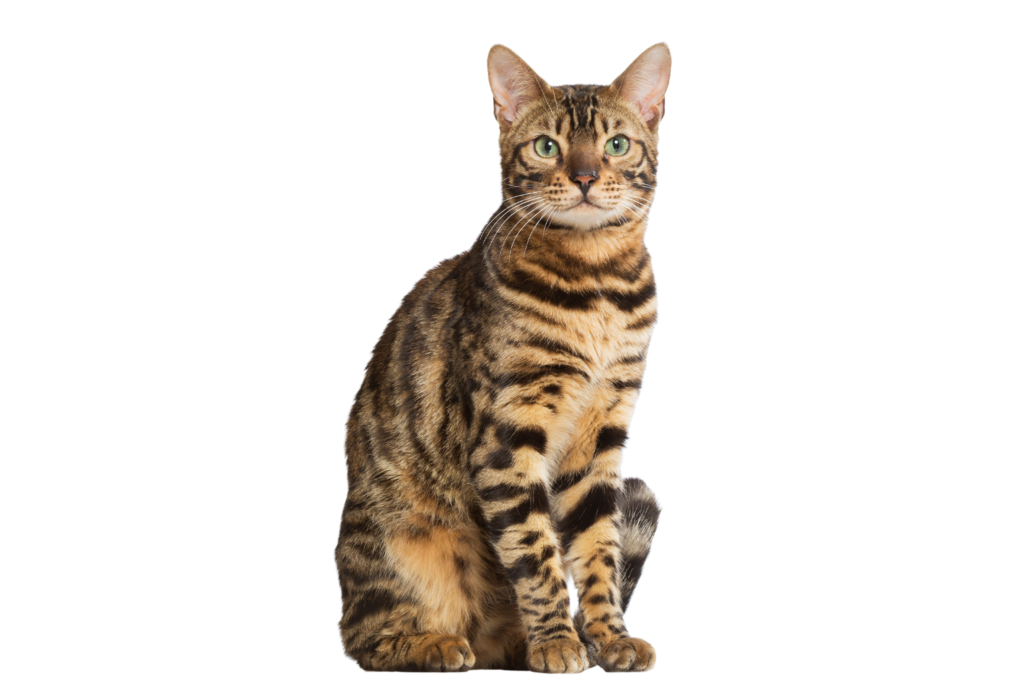
One unique feature is its shimmering appearance, often called the “glitter” effect, which gives the fur a sparkling look in sunlight.
Coat Patterns
Bengals are famous for their dramatic markings, including:
- Rosetted spots
- Marbled patterns
Common coat colors include:
- Brown
- Snow
- Silver
- Charcoal
Eye Color
Depending on the coat color, Bengals may have:
- Green eyes
- Gold eyes
- Blue eyes (Snow Bengals)
Bengal Cat Personality
Bengals are not typical lap cats. They are active, curious, and thrive on interaction.
Highly Intelligent
Bengals quickly learn routines and can even be taught tricks such as:
- Fetch
- High five
- Sit
- Walking on a harness
They enjoy solving puzzles and exploring new environments.
Extremely Active
This breed loves:
- Climbing
- Running
- Jumping
- Exploring high places
Without enough exercise, Bengals may become bored and destructive.
Affectionate
Although independent at times, Bengals form strong bonds with their families and enjoy participating in daily activities.
Curious
Expect a Bengal to investigate everything—from cabinets and shelves to running water in the sink.
Are Bengal Cats Good Family Pets?
Yes, for the right household.
Bengals generally do well with:
- Active families
- Older children
- Other playful cats
- Cat-friendly dogs
Because of their high energy, they may not be the best choice for owners looking for a quiet or low-maintenance pet.
Exercise and Enrichment
Bengals require significantly more physical and mental stimulation than many breeds.
Provide plenty of enrichment, including:
- Tall cat trees
- Wall-mounted shelves
- Puzzle feeders
- Interactive toys
- Cat tunnels
- Daily play sessions
Many Bengals also enjoy watching birds from a secure window perch.
Grooming Requirements
One advantage of owning a Bengal is its easy-to-maintain coat.
Brushing
Brush once a week to remove loose hair and keep the coat looking healthy.
Nail Care
Trim nails every 2–4 weeks and provide durable scratching posts.
Dental Care
Regular tooth brushing and routine veterinary checkups help maintain oral health.
Feeding and Nutrition
Because Bengals are active cats, they benefit from a high-quality, protein-rich diet.
Choose foods that provide:
- Real animal protein as the first ingredient
- Balanced vitamins and minerals
- Omega fatty acids for skin and coat health
- Plenty of fresh water
Avoid overfeeding, even active cats, to maintain an ideal body condition.
Common Health Concerns
Bengals are generally healthy but may be predisposed to certain inherited conditions.
These include:
Hypertrophic Cardiomyopathy (HCM)
A heart disease that affects some cats.
Progressive Retinal Atrophy (PRA)
An inherited eye disorder that can impact vision.
Patellar Luxation
A condition affecting the kneecap in some individuals.
Regular veterinary examinations and responsible breeding practices help reduce these risks.
Indoor or Outdoor?
Most experts recommend keeping Bengal cats indoors or allowing supervised outdoor time using:
- A secure catio
- A leash and harness
- Enclosed outdoor spaces
Their curiosity and confidence can place them at greater risk if allowed to roam freely.

Pros and Cons of Owning a Bengal Cat
Pros
✔ Stunning wild appearance
✔ Highly intelligent
✔ Extremely playful
✔ Loyal and social
✔ Easy-to-maintain coat
Cons
✘ Very energetic
✘ Requires daily enrichment
✘ Can become destructive when bored
✘ Often more expensive than many other breeds
Is a Bengal Cat Right for You?
A Bengal may be the perfect companion if you:
- Enjoy interactive pets
- Have time for daily play
- Want a highly intelligent cat
- Can provide climbing opportunities and enrichment
If you prefer a quiet, independent companion, another breed such as the British Shorthair may be a better fit.
Frequently Asked Questions
Are Bengal cats good with children?
Yes. Bengals generally do well with respectful children who enjoy active play.
Do Bengal cats shed a lot?
No. Their short coat sheds relatively little compared to many long-haired breeds.
Can Bengal cats be trained?
Absolutely. Their intelligence makes them one of the easiest cat breeds to train using positive reinforcement.
How long do Bengal cats live?
With proper care, Bengal cats typically live between 12 and 16 years, and many live even longer.
Final Thoughts
The Bengal cat combines the breathtaking appearance of a wild feline with the companionship of a domestic pet. Their intelligence, athleticism, and affectionate nature make them an exciting choice for experienced or active cat owners.
While Bengals require more time, enrichment, and interaction than many other breeds, they reward their owners with endless entertainment, loyalty, and affection. If you’re ready to meet their physical and mental needs, a Bengal cat can become an extraordinary member of your family for many years.